

 Tiếng Việt
Have you ever wondered why some people seem to reach their full height during their teenage years, while others continue growing into their early twenties?
It’s a common question, especially among teenagers, young adults, and parents who are concerned about growth and development. Height is influenced by many factors, and the timing of when a person stops growing can vary significantly from one individual to another.
While genetics play an important role, they are only part of the story. Hormones, nutrition, sleep, physical activity, and overall health can all affect how long growth continues and whether a person reaches their full height potential.
In this article, we’ll explore the science behind growth, explain why some people stop growing earlier than others, and discuss what factors influence height development throughout life.
How Does Human Growth Work?
To understand why growth stops at different ages, it’s important to know how height increases in the first place.
Height growth occurs through structures called growth plates, also known as epiphyseal plates.
These growth plates are located near the ends of long bones, including:
- Femur (thigh bone)
- Tibia (shin bone)
- Humerus (upper arm bone)
During childhood and adolescence, new cartilage cells are continuously produced in these areas. Over time, the cartilage is replaced by bone tissue, causing bones to lengthen and increasing overall height. This process continues until growth plates close.
What Causes Growth Plates to Close?
Growth plate closure is largely controlled by hormones.
As puberty progresses, the body produces increasing amounts of sex hormones:
In Females
- Estrogen levels rise significantly.
In Males
- Testosterone increases and is partially converted into estrogen.
Although many people associate estrogen only with females, it is actually the primary hormone responsible for growth plate fusion in both sexes.
When hormone levels reach certain thresholds, growth plates gradually harden and become solid bone.
Once this happens, further natural height growth is no longer possible.
Read more: Best Supplements for Height Growth in Adults: What to Look For and What to Avoid
Why Do Some People Stop Growing Earlier?
Several factors influence when growth plates close.
1. Genetics
Genetics are one of the strongest determinants of growth timing.
Some families naturally experience earlier puberty and earlier growth plate closure.
Others tend to mature later, allowing growth to continue for a longer period.
Researchers estimate that genetics account for approximately 60–80% of adult height variation.
This is why height patterns often run in families.
2. Early or Late Puberty
The timing of puberty significantly affects growth.
Early Puberty
Children who enter puberty earlier often experience:
- Earlier growth spurts
- Faster bone maturation
- Earlier growth plate closure
As a result, they may stop growing sooner.
Late Puberty
Children who mature later often:
- Continue growing for a longer period
- Experience later growth spurts
- Reach adult height at an older age
This explains why some teenagers continue gaining height while their peers appear to have stopped growing.
3. Nutrition During Childhood and Adolescence
Nutrition plays a critical role in growth and development.
Growing bodies require adequate amounts of:
- Calcium
- Protein
- Vitamin D
- Zinc
- Magnesium
- Vitamin K2
Nutritional deficiencies during key growth years may affect height potential and overall development.
Calcium
Calcium supports bone formation and mineralization.
Protein
Protein provides the building blocks needed for tissue growth.
Vitamin D
Vitamin D helps the body absorb calcium effectively.
Children and adolescents who consume balanced diets are more likely to achieve their genetic height potential.
4. Sleep Quality
Sleep is one of the most important yet often overlooked factors in growth.
During deep sleep, the body releases significant amounts of growth hormone.
Growth hormone helps:
- Stimulate bone growth
- Support tissue repair
- Regulate metabolism
Chronic sleep deprivation may interfere with healthy development.
This is one reason why children and teenagers require more sleep than adults.
Recommended Sleep Duration
- School-age children: 9–12 hours
- Teenagers: 8–10 hours
- Adults: 7–9 hours
Consistent sleep supports optimal physical development.
5. Hormonal Factors
Several hormones influence growth.
Growth Hormone
Produced by the pituitary gland, growth hormone is essential for normal growth and development.
Thyroid Hormones
Thyroid hormones help regulate metabolism and skeletal growth.
Insulin-Like Growth Factor 1 (IGF-1)
IGF-1 works closely with growth hormone to stimulate bone growth.
Disruptions in these hormonal systems may affect both growth rate and final adult height.

6. Chronic Health Conditions
Certain medical conditions may influence growth patterns.
Examples include:
- Thyroid disorders
- Growth hormone deficiency
- Chronic kidney disease
- Gastrointestinal disorders
- Nutrient absorption disorders
Children with untreated health conditions may experience delayed or impaired growth.
Early diagnosis and treatment are often important.
7. Physical Activity Levels
Regular physical activity supports overall health and healthy bone development.
Exercise contributes to:
- Stronger bones
- Better muscle development
- Improved circulation
- Enhanced posture
Activities such as:
- Running
- Swimming
- Jumping sports
- Team sports
can support healthy physical development during growth years.
While exercise alone does not determine height, it contributes to overall wellness.
Can Adults Continue Growing?
Many adults wonder whether they can still grow taller.
The answer depends on whether growth plates remain open.
For most adults:
- Growth plates have already fused.
- Significant skeletal growth is unlikely.
- Natural bone lengthening has stopped.
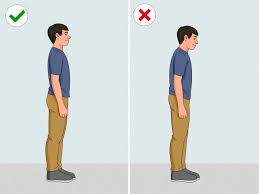
However, adults can still improve posture, spinal alignment, and overall physical fitness.
These improvements may create the appearance of increased height.
Signs That Growth May Still Be Continuing
In some cases, late adolescents and young adults may still experience minor growth.
Possible signs include:
- Continued increases in shoe size
- Ongoing height changes
- Late-stage puberty development
- Delayed skeletal maturation
However, these situations are less common after the late teenage years.
How to Support Healthy Growth During Adolescence
Although genetics cannot be changed, several lifestyle habits help support healthy development.
Eat a Balanced Diet
Prioritize nutrient-rich foods that provide:
- Calcium
- Protein
- Vitamins
- Minerals
Get Enough Sleep
Sleep supports growth hormone production and recovery.
Stay Physically Active
Regular exercise promotes bone and muscle health.
Maintain Overall Health
Routine medical care helps identify potential growth-related concerns early.
Read more: Height Growth After Puberty: Myth vs Reality
Supporting Bone Health After Growth Stops
Even after growth plates close, maintaining healthy bones remains important.
Bone tissue continues to remodel throughout life.
Adults should focus on:
Adequate Calcium Intake
Calcium supports bone density and skeletal strength.
Vitamin D3
Helps improve calcium absorption.
Vitamin K2
Supports proper calcium utilization.
Regular Exercise
Weight-bearing activities help maintain bone health.
Healthy Lifestyle Habits
Good nutrition, sleep, and physical activity support lifelong wellness.
Why do some people stop growing earlier than others?
The answer is a combination of genetics, puberty timing, nutrition, hormones, sleep, physical activity, and overall health.
While some individuals reach their adult height relatively early, others continue growing for several more years due to differences in biological development.
Although growth eventually stops for everyone, maintaining healthy bones remains important throughout life. Proper nutrition, adequate calcium intake, regular exercise, and healthy lifestyle habits can help support strong bones and overall well-being long after height growth has ended.
Understanding the factors that influence growth can help individuals make informed decisions about their health and focus on reaching their full physical potential.
