

 Tiếng Việt
One of the most common questions people ask about height is whether growth continues after puberty. The internet is filled with stories of individuals claiming they gained several inches in their twenties, along with countless products promising dramatic height increases long after adolescence.
But how much of this is fact, and how much is fiction?
Understanding the science of height growth after puberty can help you make informed decisions and avoid unrealistic expectations. In this article, we’ll separate myths from reality, explain what happens to your body during and after puberty, and discuss what adults can do to support their bone health and physical development.
What Happens During Puberty?
Puberty is a critical stage of growth and development.
During this period, the body experiences major hormonal changes that affect:
- Height
- Bone development
- Muscle growth
- Body composition
- Sexual maturation
One of the most noticeable changes is the adolescent growth spurt.
Growth hormone, insulin-like growth factor (IGF-1), and sex hormones work together to stimulate the growth plates in long bones, leading to rapid increases in height.
This is why many teenagers grow several inches within a relatively short period.

What Are Growth Plates?
Growth plates, also known as epiphyseal plates, are areas of cartilage located near the ends of long bones.
These plates are responsible for bone lengthening during childhood and adolescence.
As long as growth plates remain open, bones can continue to grow.
However, as puberty progresses, increasing levels of estrogen and testosterone gradually cause these plates to harden and fuse.
Once growth plates close, natural height growth comes to an end.
Read more: How to Grow Taller at 25: What Really Works and What Doesn’t
When Does Height Growth Usually Stop?
The timing varies among individuals.
Females
Most girls experience their growth spurt between ages 10 and 14.
Growth generally slows significantly after menstruation begins and often stops between ages 14 and 18.
Males
Boys usually experience their growth spurt later than girls.
Most males stop growing between ages 16 and 21, although some continue to grow slightly into their early twenties.
By the end of puberty, most individuals have reached their adult height.
Myth #1: You Can Easily Grow Several Inches After Puberty
Reality
For most people, significant skeletal growth after puberty is unlikely.
Once growth plates have fused, bones can no longer lengthen naturally.
This means adults cannot typically gain several inches in height through exercise, supplements, or special diets.
While minor changes in posture and spinal alignment can affect height appearance, dramatic height increases are not supported by scientific evidence.
Myth #2: Stretching Exercises Make You Taller
Reality
Stretching offers many health benefits, but permanent height growth is not one of them.
Stretching can:
- Improve flexibility
- Reduce muscle tension
- Enhance posture
- Increase mobility
These benefits may help you stand straighter and appear taller.
However, stretching does not lengthen bones or reopen closed growth plates.
Myth #3: Hanging From a Bar Increases Height
Reality
This myth has circulated for decades.
Hanging exercises can temporarily decompress the spine by reducing pressure between vertebral discs.
As a result, you may experience a very small temporary increase in measured height.
However:
- The effect is temporary.
- Bones do not become longer.
- Growth plates do not reopen.
While hanging can improve spinal mobility and grip strength, it is not a permanent height-growth solution.
Myth #4: Height Growth Supplements Can Add Inches After Puberty
Reality
Many products claim to increase adult height dramatically.
Scientific evidence does not support these claims.
No supplement can force bones to lengthen after growth plates have fused.
However, this does not mean supplements are useless.
Quality supplements may support:
- Bone health
- Calcium intake
- Vitamin D levels
- Bone density
- Overall skeletal strength
Adults should view supplements as tools for supporting health rather than miracle height solutions.
Myth #5: Height Is 100% Determined by Genetics
Reality
Genetics play a major role in determining height, but they are not the only factor.
Researchers estimate that genetics account for approximately 60–80% of height variation.
Other factors include:
- Nutrition
- Sleep
- Physical activity
- Overall health
- Hormonal balance
This is why two people with similar genetic backgrounds may reach different adult heights.
Myth #6: Weight Training Stunts Growth
Reality
This myth remains surprisingly common.
Research consistently shows that properly supervised strength training is safe for healthy adolescents and adults.
Benefits include:
- Increased muscle strength
- Better posture
- Improved bone density
- Enhanced athletic performance
Poor technique and excessive loads may cause injury, but weight training itself does not stop growth.
Can Adults Still Improve Their Height Appearance?
The answer is yes.
Although true skeletal growth may have ended, adults can still improve how tall they appear.
Improve Posture
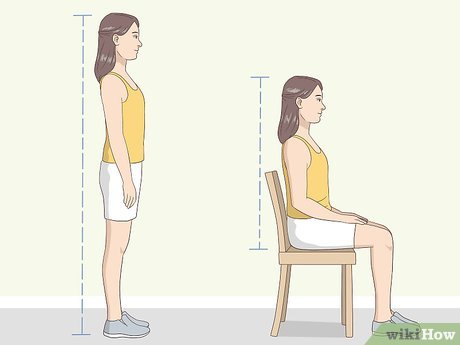
Poor posture can make a person appear shorter than they actually are.
Common issues include:
- Slouching
- Rounded shoulders
- Forward head posture
Posture correction can restore natural alignment and create a taller appearance.
Strengthen Core Muscles
Strong core muscles help support proper posture and spinal stability.
Useful exercises include:
- Planks
- Bird dogs
- Dead bugs
- Side planks
Stay Active
Regular exercise supports mobility, flexibility, and overall physical health.
Maintain a Healthy Weight
Excess body weight may negatively affect posture and movement patterns.
Why Bone Health Matters After Puberty
Even though height growth slows dramatically after puberty, bone health remains important throughout life.
Your skeleton is constantly remodeling itself.
Bone tissue is continuously broken down and rebuilt.
Supporting this process requires adequate nutrition.
Key Nutrients for Bone Health
Calcium
Calcium is the primary mineral found in bones.
Vitamin D3
Vitamin D helps the body absorb calcium efficiently.
Vitamin K2
Vitamin K2 helps direct calcium into bones rather than soft tissues.
Magnesium
Magnesium contributes to healthy bone formation.
Protein
Protein supports muscle and connective tissue health.
Together, these nutrients help maintain strong bones throughout adulthood.
Healthy Habits for Lifelong Bone Strength
To support your skeletal system, consider the following habits:
Eat a Balanced Diet
Focus on nutrient-rich foods that support bone health.
Exercise Regularly
Weight-bearing activities help maintain bone density.
Get Quality Sleep
Adults should aim for 7–9 hours of sleep per night.
Avoid Smoking
Smoking is associated with lower bone density and increased fracture risk.
Limit Excessive Alcohol Consumption
Heavy alcohol use may negatively affect bone health.
Read more: Is It Possible to Grow Taller After 20? What Science Really Says
The Truth About Height Growth After Puberty
Height growth after puberty is one of the most misunderstood topics in health and fitness.
While growth plate closure limits further bone lengthening, adults can still take meaningful steps to improve posture, maintain strong bones, and optimize their physical appearance.
Understanding the difference between myths and reality helps you focus on strategies that genuinely benefit your health.
Can you grow taller after puberty?
For most people, significant skeletal height growth is unlikely once growth plates have closed. However, you can still improve posture, strengthen your body, support bone health, and maximize your natural physical potential.
By prioritizing nutrition, exercise, sleep, and adequate calcium intake, you can maintain a strong skeletal foundation and support lifelong wellness. Rather than chasing unrealistic height promises, focus on building a healthier, stronger version of yourself—because confidence and vitality go far beyond a number on a measuring tape.
