

 Tiếng Việt
If you’re 25 years old and wondering whether you can still grow taller, you’re not alone. Every month, thousands of people search online for answers to questions like:
- Can I grow taller at 25?
- Is height growth possible after 25?
- What are the best ways to increase height naturally as an adult?
The desire to be taller is understandable. Height is often associated with confidence, attractiveness, and professional presence. However, the internet is filled with misleading information, unrealistic promises, and so-called miracle solutions that claim to add several inches to your height in just a few weeks.
So, what is the truth?
Can you actually grow taller at 25? In this article, we’ll explore the science behind height growth, explain what happens to your body after adolescence, and discuss practical ways to maximize your height potential and support long-term bone health.
Understanding How Height Growth Happens
Height growth is a natural biological process that occurs primarily during childhood and adolescence.
Long bones such as the femur and tibia grow through specialized areas called growth plates. These growth plates consist of cartilage tissue that gradually turns into bone as you mature.
During puberty, hormones stimulate rapid growth, resulting in the growth spurts many teenagers experience.
Eventually, the growth plates fuse and become solid bone. Once this process is complete, natural bone lengthening stops.
For most people:
- Women reach their final height between ages 16 and 18.
- Men usually stop growing between ages 18 and 21.
- Some individuals may continue growing slightly into their early twenties.
By age 25, growth plates are typically fully closed.
Can You Grow Taller at 25?
From a scientific standpoint, significant skeletal height growth at age 25 is highly unlikely.
Once growth plates have fused, bones cannot naturally become longer.
This means that:
- Exercise cannot lengthen bones.
- Stretching cannot permanently increase skeletal height.
- Supplements cannot reopen growth plates.
- Special diets cannot trigger new bone growth.
However, this does not mean there is nothing you can do to improve your overall height appearance and physical presence.
Why You May Appear Shorter Than Your Actual Height
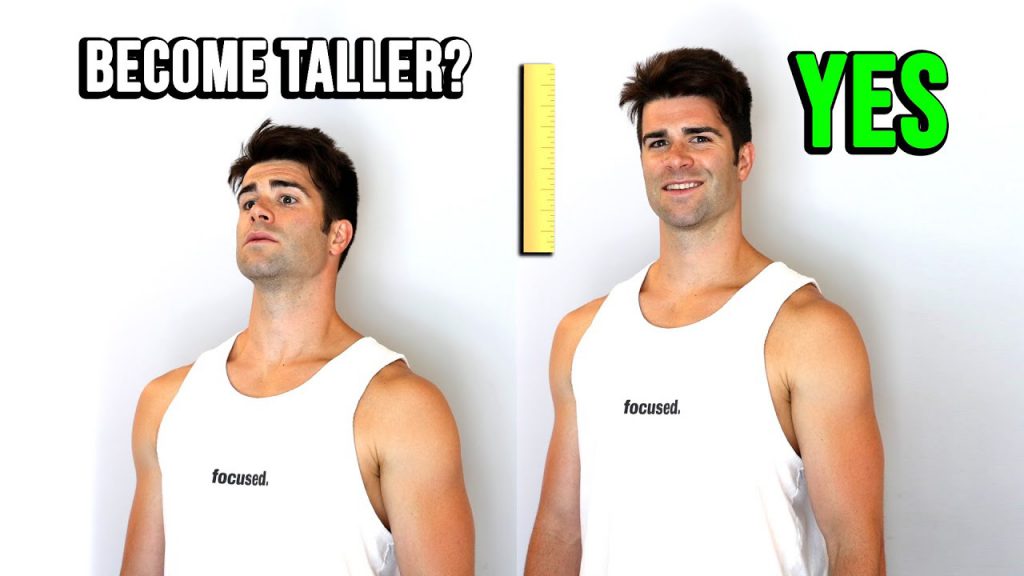
Many adults lose height visually because of poor posture.
Modern lifestyles often involve:
- Sitting for extended periods
- Working on computers
- Looking down at smartphones
- Lack of regular exercise
These habits can lead to:
- Rounded shoulders
- Forward head posture
- Weak core muscles
- Reduced spinal alignment
As a result, you may appear shorter than your true height.
Improving posture can help restore your natural standing height and create a taller appearance.
Read more: Is It Possible to Grow Taller After 20? What Science Really Says
The Importance of Posture
Posture affects how others perceive your height.
Two people of identical height can appear very different depending on how they stand.
Benefits of Good Posture
- Creates a taller appearance
- Improves confidence
- Enhances body alignment
- Reduces neck and back pain
- Improves breathing efficiency
Simple posture habits include:
- Keeping shoulders relaxed and back
- Standing with your head aligned over your spine
- Engaging your core muscles
- Avoiding prolonged slouching
Small improvements practiced consistently can make a significant visual difference.
Does Stretching Make You Taller?
Stretching is one of the most popular methods promoted online for height growth.
The truth is that stretching cannot increase bone length.
However, stretching offers several benefits:
- Improves flexibility
- Relieves muscle tension
- Supports spinal mobility
- Enhances posture
Regular stretching can help you stand straighter and move more comfortably.
Effective stretches include:
- Cobra stretch
- Cat-cow stretch
- Child’s pose
- Hamstring stretch
- Hip flexor stretch
Although stretching won’t add inches to your skeleton, it can improve how you carry yourself.
Best Exercises for Adults Who Want to Look Taller
Exercise plays an important role in overall health and posture.
Strength Training
Strength training supports:
- Muscle development
- Bone density
- Postural strength
- Joint stability
Contrary to popular myths, properly performed weight training does not stunt growth.
Yoga
Yoga promotes:
- Better posture
- Improved flexibility
- Enhanced balance
- Greater body awareness
Swimming
Swimming strengthens multiple muscle groups and encourages proper spinal alignment.
Core Exercises
A strong core helps maintain an upright posture.
Useful exercises include:
- Planks
- Side planks
- Bird dogs
- Dead bugs
- Glute bridges
Together, these exercises can help maximize your natural height appearance.
Can Nutrition Help You Grow Taller at 25?
Nutrition remains extremely important even after growth has stopped.
Although food cannot make your bones longer at age 25, it helps maintain:
- Bone density
- Muscle mass
- Joint health
- Physical performance
Calcium
Calcium is essential for strong bones.
Important sources include:
- Milk
- Yogurt
- Cheese
- Fortified foods
- Calcium supplements
Vitamin D3
Vitamin D helps the body absorb calcium effectively.
Vitamin K2
Vitamin K2 supports proper calcium utilization within the body.
Magnesium
Magnesium contributes to healthy bone formation and muscle function.
Protein
Protein is necessary for maintaining muscle and connective tissues.
A balanced diet supports overall skeletal health throughout adulthood.
Can Height Supplements Work at 25?
Height supplements are frequently marketed to adults seeking additional growth.
The reality is that no supplement can significantly increase skeletal height once growth plates have closed.
However, quality nutritional supplements may provide important benefits:
- Supporting bone health
- Maintaining bone density
- Improving calcium intake
- Supporting muscle function
- Filling nutritional gaps
Supplements containing calcium, vitamin D3, vitamin K2, magnesium, and zinc may help adults maintain strong, healthy bones.
The goal should be supporting skeletal health rather than expecting dramatic height increases.
The Role of Sleep in Physical Development
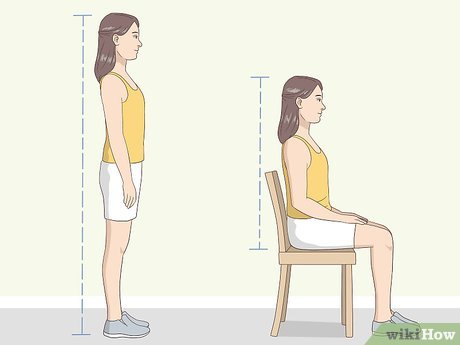
Sleep is essential for recovery and overall health.
Although adults are unlikely to experience major height growth, quality sleep supports:
- Hormonal balance
- Muscle recovery
- Bone maintenance
- Physical performance
Experts generally recommend:
- 7–9 hours of sleep per night
- Consistent sleep schedules
- Limiting screen time before bed
Good sleep habits contribute to long-term wellness.
Common Myths About Growing Taller at 25
Myth 1: You Can Gain 5–10 Inches Naturally
There is no scientific evidence supporting dramatic height increases in healthy adults.
Myth 2: Hanging Exercises Lengthen Bones
Hanging may temporarily decompress the spine but does not permanently increase height.
Myth 3: Expensive Supplements Can Reopen Growth Plates
Growth plates do not reopen through supplements.
Myth 4: Height Determines Success
While height can influence perception, confidence, skills, and character are far more important predictors of success.
Read more: How to Increase Height Naturally After 18: Science-Based Tips for Adults
What Should Adults Focus On Instead?
Rather than chasing unrealistic promises, adults should focus on:
- Strong bones
- Good posture
- Healthy nutrition
- Physical fitness
- Self-confidence
- Long-term wellness
These factors provide meaningful benefits that last a lifetime.
If you’re wondering how to grow taller at 25, the scientific answer is straightforward: significant skeletal height growth is unlikely because growth plates have already closed.
However, that doesn’t mean you can’t improve your appearance and overall health.
By maintaining excellent posture, exercising regularly, getting enough sleep, and supporting bone health through proper nutrition and calcium intake, you can maximize your natural height potential and build a stronger, healthier body.
The most effective strategy isn’t trying to change biology—it’s optimizing the factors that help you look, feel, and perform your best every day.
