

 Tiếng Việt
Height is one of the most visible physical characteristics of the human body. From childhood through adolescence, our bodies undergo remarkable growth and development, ultimately determining our adult height. While genetics play a significant role, height growth is actually a complex biological process influenced by hormones, nutrition, lifestyle, and bone health.
Understanding the science behind height growth and bone development can help individuals make informed decisions about nutrition, physical activity, and overall health. In this article, we’ll explore how bones grow, what factors influence height, and why maintaining strong bones remains important throughout life.
How Does Height Growth Occur?
Human height increases primarily through the growth of long bones.
The bones most responsible for height include:
- Femur (thigh bone)
- Tibia (shin bone)
- Fibula (lower leg bone)
- Vertebrae (spinal bones)
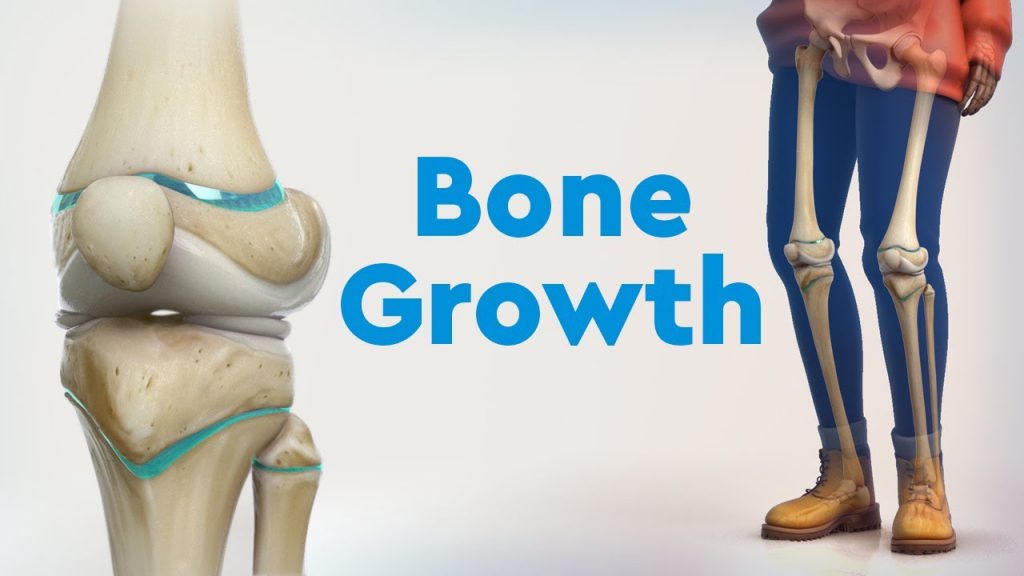
These bones do not grow randomly. Instead, growth occurs through specialized structures called growth plates.
What Are Growth Plates?
Growth plates, also known as epiphyseal plates, are layers of cartilage located near the ends of long bones.
During childhood and adolescence, these plates serve as the primary sites of bone growth.
The process works as follows:
- New cartilage cells are produced.
- The cartilage gradually expands.
- The body replaces cartilage with hardened bone tissue.
- Bones become longer over time.
This continuous cycle allows children and teenagers to gain height as they grow.
Once growth plates close, further bone lengthening becomes impossible under normal biological conditions.
When Do Growth Plates Close?
Growth plate closure occurs at different ages depending on several factors.
Females
Most females complete growth between ages 14 and 18.
Males
Most males stop growing between ages 16 and 21.
The timing varies because every individual develops differently.
After growth plates fuse, adult height is generally established.
Read more: Why Some People Stop Growing Earlier Than Others
The Role of Genetics in Height
Genetics are one of the most important factors affecting height.
Research suggests that approximately 60–80% of height variation is inherited.
Genes influence:
- Growth plate activity
- Hormone production
- Bone structure
- Growth timing
This is why children often share height characteristics with their parents.
However, genetics are not the only factor.
Even individuals with strong genetic potential require proper nutrition and healthy living conditions to reach their full height.
Hormones: The Drivers of Growth
Several hormones work together to regulate growth and bone development.
Growth Hormone (GH)
Growth hormone is produced by the pituitary gland.
Its primary functions include:
- Stimulating bone growth
- Supporting muscle development
- Promoting tissue repair
Growth hormone levels are especially important during childhood and adolescence.
Insulin-Like Growth Factor 1 (IGF-1)
Growth hormone stimulates the production of IGF-1.
IGF-1 helps growth plates produce new cartilage cells, directly contributing to height growth.
Thyroid Hormones
Thyroid hormones regulate metabolism and support normal skeletal development.
Insufficient thyroid hormone levels during childhood may negatively affect growth.
Sex Hormones
During puberty, estrogen and testosterone trigger rapid growth spurts.
These hormones also eventually cause growth plates to close.
This is why height growth slows and eventually stops after puberty.
Nutrition and Height Development
Nutrition is one of the most important environmental factors affecting growth.
A growing body requires adequate nutrients to build strong bones and tissues.
Calcium
Calcium is the most abundant mineral in the human body.
Approximately 99% of the body’s calcium is stored in bones and teeth.
Benefits include:
- Supporting bone formation
- Increasing bone strength
- Maintaining skeletal structure
Calcium deficiency during growth years may affect bone development.
Vitamin D
Vitamin D helps the body absorb calcium efficiently.
Without sufficient vitamin D, calcium absorption decreases significantly.
Sources include:
- Sunlight exposure
- Fatty fish
- Egg yolks
- Fortified foods
Vitamin K2
Vitamin K2 helps direct calcium into bones where it can be utilized effectively.
Protein
Protein provides essential amino acids required for:
- Tissue growth
- Muscle development
- Bone matrix formation
Children and adolescents with inadequate protein intake may struggle to achieve optimal growth.
Magnesium and Zinc
These minerals contribute to:
- Bone formation
- Cellular growth
- Metabolic function
A balanced diet containing these nutrients supports healthy development.
The Importance of Sleep
Sleep plays a critical role in height growth.
During deep sleep, the body releases large amounts of growth hormone.
This is one reason why growing children and teenagers require more sleep than adults.
Recommended Sleep Durations
- Children: 9–12 hours
- Teenagers: 8–10 hours
- Adults: 7–9 hours
Consistent, high-quality sleep supports healthy physical development.
How Physical Activity Supports Growth
Exercise contributes to overall health and healthy bone development.
Benefits include:
- Stronger bones
- Better muscle development
- Improved coordination
- Enhanced posture
Weight-bearing activities stimulate bone remodeling and help increase bone strength.
Examples include:
- Running
- Jumping
- Basketball
- Soccer
- Tennis
Regular physical activity supports healthy skeletal development during growth years.
Why Bone Development Continues Throughout Life
Many people assume bone development ends once height growth stops.
In reality, bones remain active tissues throughout life.
Bone remodeling is a continuous process involving:
Bone Formation
New bone tissue is created by cells called osteoblasts.
Bone Resorption
Old bone tissue is broken down by cells called osteoclasts.
This cycle helps maintain bone strength and repair microscopic damage.
Peak Bone Mass: A Critical Milestone
Peak bone mass refers to the maximum bone density and strength achieved during early adulthood.
Most people reach peak bone mass between ages 25 and 30.
Building strong bones during youth is important because it provides a foundation for lifelong skeletal health.
Individuals with higher peak bone mass may have a lower risk of bone-related issues later in life.
Read more: Best Supplements for Height Growth in Adults: What to Look For and What to Avoid
Factors That Can Negatively Affect Bone Health
Several factors may compromise bone development and maintenance.
Poor Nutrition
Insufficient intake of calcium, vitamin D, and protein can weaken bones.
Physical Inactivity
Sedentary lifestyles reduce the stimulus needed for bone maintenance.
Smoking
Smoking is associated with lower bone density.
Excessive Alcohol Consumption
Heavy alcohol intake may interfere with bone remodeling.
Chronic Health Conditions
Certain diseases and medications may affect bone health.

Supporting Healthy Bones Throughout Adulthood
Even after height growth has stopped, maintaining healthy bones remains essential.
Strategies include:
Consume Adequate Calcium
Calcium remains important throughout adulthood.
Ensure Sufficient Vitamin D
Vitamin D supports calcium absorption.
Stay Physically Active
Regular exercise helps preserve bone density.
Eat a Balanced Diet
Focus on nutrient-rich foods that support skeletal health.
Consider Nutritional Supplements
When dietary intake is insufficient, supplements containing calcium, vitamin D3, and vitamin K2 may help support bone health.
Height growth and bone development are complex processes influenced by genetics, hormones, nutrition, sleep, and physical activity. While growth plates determine how long bones can grow, overall bone health depends on lifelong habits and nutritional support.
Understanding the science behind growth helps us appreciate the importance of proper nutrition, healthy lifestyles, and adequate calcium intake—not only during childhood but throughout adulthood.
Strong bones provide the foundation for mobility, physical performance, and long-term health. Whether you’re a teenager hoping to maximize your growth potential or an adult focused on maintaining skeletal strength, investing in bone health is one of the best investments you can make for your future.
