

 Tiếng Việt
Many people are surprised when a routine check-up shows they are a little shorter than they used to be. A loss of one or two centimeters can happen quietly over the years, and for some people the change is even greater.
Gradual height loss is a common part of aging. However, rapid or significant height loss is not something to ignore, because it can be a sign of weakened bones in the spine.
The encouraging news is that the speed of this process is not entirely out of your control. Understanding why it happens is the first step toward slowing it down.
1. How Much Height Do People Typically Lose?
Most adults reach their maximum height in their late teens or early twenties. Height usually stays fairly stable for the next couple of decades.
From around the age of 40, many people begin to lose height slowly. Studies suggest that adults may lose roughly one centimeter per decade after 40, with the rate often increasing after 70. Women tend to lose more height than men, largely because of the hormonal changes that follow menopause.
These numbers are averages. Some people lose very little height throughout life, while others experience a much faster decline. The difference often comes down to bone health, posture, muscle strength, and overall lifestyle.

2. The Spine: Where Most Height Loss Happens
Your leg bones do not shrink as you get older. Most age-related height loss occurs in the spine, which is made up of 33 vertebrae separated by cushioning discs.
Several changes in the spine can reduce overall height:
Disc dehydration: Intervertebral discs contain a large amount of water. With age, they gradually lose water and become thinner, which shortens the spinal column slightly.
Vertebral compression: When bone density decreases, vertebrae can become compressed or develop small fractures. These compression fractures sometimes occur without noticeable pain.
Changes in spinal curvature: An increased forward curve in the upper back, known as kyphosis, makes a person stand shorter even if the bones themselves have not changed much.
3. Bone Density Loss and Osteoporosis
Bone mass generally peaks in early adulthood. After that, the body slowly begins to remove bone faster than it builds new bone.
When this imbalance becomes severe, it can lead to osteoporosis, a condition in which bones become porous and fragile. In the spine, osteoporosis can result in vertebral fractures that cause noticeable height loss and a stooped posture.
Health experts often consider a height loss of more than about 4 centimeters (around 1.5 inches) compared with your peak adult height to be a possible warning sign. If you notice this kind of change, it is worth discussing bone health screening with a doctor.
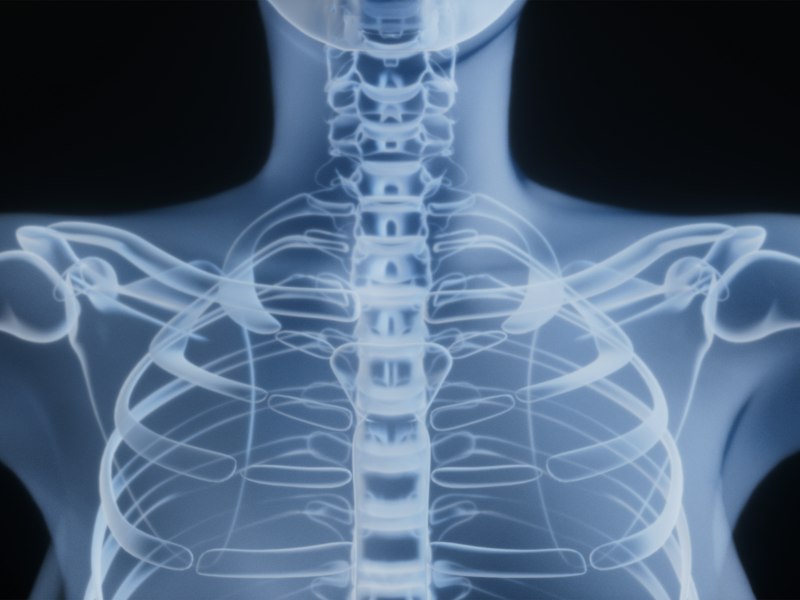
4. Muscle Weakness and Posture
Bones are not the only factor. The muscles of the back, core, and hips help hold the spine upright. As people age, they naturally lose muscle mass and strength unless they stay physically active.
Weaker muscles make it harder to maintain an upright posture. Over time, slouching can become the body’s default position. Long hours spent sitting, looking down at phones, or working at a computer can make this pattern worse.
While posture changes do not shorten bones, they can significantly affect how tall you stand and how tall you appear. You can learn more in our article Can Posture Make You Look Taller?
5. Other Factors That May Speed Up Height Loss
Several lifestyle and health factors are linked with faster bone and height loss:
Low intake of calcium, vitamin D, protein, and other bone-supporting nutrients
Physical inactivity and long periods of sitting
Smoking and excessive alcohol consumption
Very low body weight
Long-term use of certain medications, such as corticosteroids
Family history of osteoporosis or fractures
Some of these factors, such as genetics, cannot be changed. Many others can be improved through daily habits.
6. How to Slow Down Age-Related Height Loss
Stay physically active
Weight-bearing exercise, such as brisk walking, stair climbing, and dancing, encourages bones to stay strong. Resistance training helps maintain muscle mass and supports the spine. Our guide to the best exercises to support height, posture, and strong bones offers practical ideas.
Strengthen your back and core
Exercises that target the upper back, such as rows and back extensions, can help counter the forward-leaning posture that develops with age. Core training supports the spine during daily movement.
Eat for bone health
Adequate calcium, vitamin D, protein, and magnesium are important throughout adulthood. Magnesium is often overlooked, yet it plays a role in bone structure and vitamin D activation. Read more: Magnesium and Bone Health: The Overlooked Mineral Behind Strong Bones

Practice good posture throughout the day
Set up your workspace so the screen is at eye level. Take short breaks from sitting every 30 to 60 minutes. When standing, imagine a line pulling you gently upward from the top of your head.
Avoid smoking and limit alcohol
Both habits are associated with lower bone density and a higher fracture risk. Reducing them benefits not only your bones but your overall health.
Monitor your height
Measuring your height once a year, preferably in the same way and at the same time of day, can help you notice changes early. Bring any significant drop to the attention of your doctor.
7. When Should You See a Doctor?
Consider speaking with a healthcare professional if you notice:
A height loss of several centimeters compared with your younger adult height
Height loss of 2 centimeters or more within a short period, such as one to two years
New back pain, especially sudden pain in the middle or upper back
A visible increase in the curve of your upper back
A doctor may recommend a bone density test or other evaluations to understand what is happening and how to protect your bones going forward.
Conclusion
Losing a small amount of height with age is common, and it mainly results from changes in the spine, including thinner discs, lower bone density, and weaker postural muscles. Larger or faster height loss, however, can signal underlying bone problems.
By staying active, strengthening your back and core, eating a bone-friendly diet, and paying attention to posture, you can help slow this process and keep standing tall for longer.
This article is for general informational purposes only and does not replace professional medical advice.
