

 Tiếng Việt
When people think about growing taller or maintaining strong bones, calcium is often the first nutrient that comes to mind—and for good reason. Calcium is the most abundant mineral in the human body and plays a vital role in building, strengthening, and maintaining healthy bones throughout life.
While calcium alone cannot make adults dramatically taller after their growth plates have closed, it remains one of the most important nutrients for supporting bone health, reducing the risk of bone loss, and helping the body function properly.
In this article, we’ll explore why calcium is essential, how it supports bone strength and height development, and how to make sure you’re getting enough every day.
What Is Calcium?
Calcium is a mineral that performs many important functions in the body.
About 99% of the body’s calcium is stored in bones and teeth, where it provides structure and strength. The remaining 1% circulates in the blood and soft tissues, helping regulate critical functions such as:
- Muscle contraction
- Nerve transmission
- Heart rhythm
- Blood clotting
- Hormone release
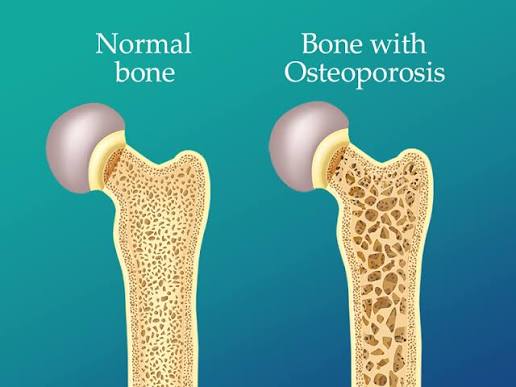
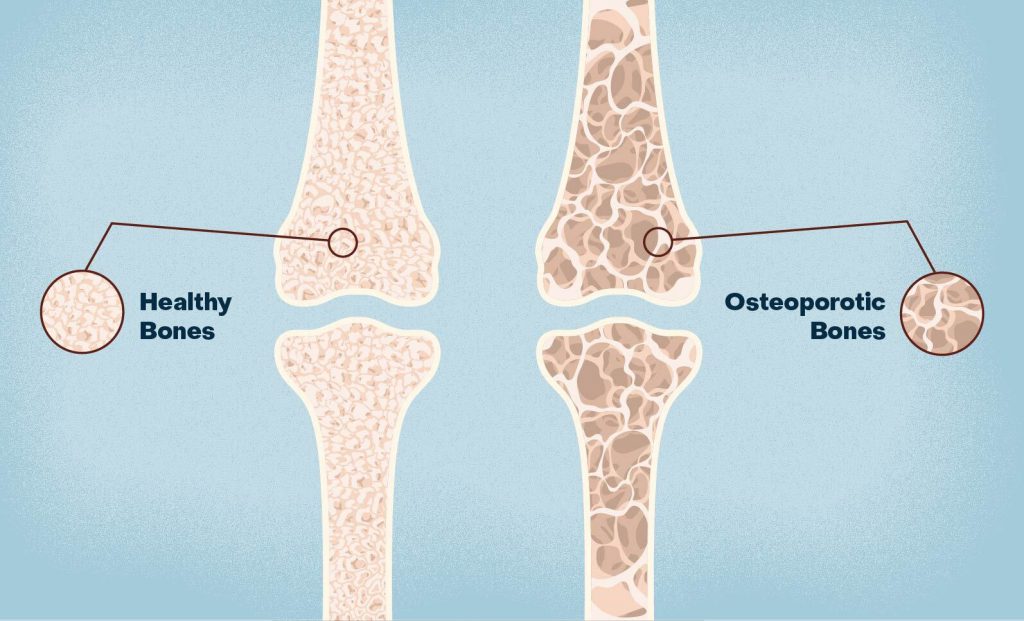
Because calcium is involved in so many biological processes, your body works hard to keep blood calcium levels stable. If your diet doesn’t provide enough calcium, the body may begin taking calcium from your bones, which can weaken them over time.
Why Is Calcium Important for Bone Strength?
Bones are living tissues that are constantly being broken down and rebuilt in a process known as bone remodeling.
Throughout your life, specialized cells remove old bone while new bone tissue is formed.
Calcium is one of the key building blocks required for this process.
Getting enough calcium helps:
- Build strong bones during childhood and adolescence
- Reach peak bone mass in early adulthood
- Maintain bone density as you age
- Reduce the risk of fractures
- Support long-term skeletal health
Strong bones are not only important for mobility but also for maintaining good posture and overall quality of life.
Xem thêm: How Much Height Can Adults Gain Naturally? A Realistic Look at Height Growth After 18
The Connection Between Calcium and Height Growth
During childhood and adolescence, bones grow longer through structures called growth plates.
For healthy growth to occur, the body needs an adequate supply of nutrients, including calcium.
Calcium supports:
- Bone mineralization
- Healthy skeletal development
- Bone strength during rapid growth
- Peak bone mass formation
However, calcium does not work alone. Height growth is influenced by several factors, including genetics, hormones, nutrition, sleep, and physical activity.
After growth plates close—usually in the late teens or early twenties—calcium cannot make bones longer. Instead, its role shifts to maintaining bone strength and preventing bone loss.
What Happens If You Don’t Get Enough Calcium?
Calcium deficiency may not cause immediate symptoms, but over time it can affect bone health.
Low calcium intake may contribute to:
- Reduced bone density
- Increased risk of fractures
- Muscle cramps
- Weak or brittle nails
- Fatigue
- Numbness or tingling in severe cases
If calcium intake remains inadequate for long periods, the body continues drawing calcium from bones, increasing the risk of conditions such as osteoporosis later in life.
How Much Calcium Do Adults Need?
Daily calcium requirements vary depending on age and life stage.
General recommendations include:
- Adults aged 19–50: 1,000 mg per day
- Women over 50: 1,200 mg per day
- Men over 70: 1,200 mg per day
Pregnant and breastfeeding women may also have different nutritional needs.
Meeting these recommendations through food is ideal, but supplements may be helpful when dietary intake is insufficient.
Best Food Sources of Calcium
Many foods naturally contain calcium or are fortified with it.
Excellent sources include:
Dairy Products
- Milk
- Yogurt
- Cheese
Fish
- Sardines
- Canned salmon with bones
Vegetables
- Kale
- Bok choy
- Broccoli
Fortified Foods
- Plant-based milk
- Breakfast cereals
- Orange juice
Nuts and Seeds
- Almonds
- Sesame seeds
- Chia seeds
Eating a varied diet helps provide calcium along with other important nutrients.
Why Calcium Needs Vitamin D
Calcium and vitamin D work together.
Without enough vitamin D, your body absorbs only a fraction of the calcium you consume.
Vitamin D helps:
- Increase calcium absorption in the intestines
- Maintain healthy blood calcium levels
- Support bone mineralization
Sources of vitamin D include:
- Sunlight exposure
- Fatty fish
- Egg yolks
- Fortified foods
- Dietary supplements
For many adults, combining calcium with vitamin D is an effective way to support bone health.
The Role of Vitamin K2
Vitamin K2 has become increasingly recognized for its role in bone health.
It activates proteins that help move calcium into bones and teeth while reducing calcium buildup in soft tissues.
Together, calcium, vitamin D3, and vitamin K2 form a powerful combination for maintaining healthy bones.
Xem thêm: Best Supplements for Height Growth in Adults: What to Look For and What to Avoid
Other Nutrients That Support Bone Health
Although calcium is essential, several other nutrients are equally important.
Magnesium
Supports bone formation and muscle function.
Phosphorus
Works alongside calcium to build bone tissue.
Protein
Provides the structural framework of bones.
Zinc
Supports bone metabolism and tissue repair.
A balanced diet containing these nutrients promotes optimal skeletal health.
Can Calcium Supplements Help?
If you struggle to meet your daily calcium needs through food alone, supplements may be beneficial.
High-quality calcium supplements can help:
- Fill nutritional gaps
- Support bone density
- Maintain healthy calcium levels
- Promote long-term skeletal health
When choosing a supplement, look for formulas that also include vitamin D3 and vitamin K2 to support better calcium utilization.
Remember that supplements are designed to complement a healthy diet—not replace it.
Healthy Habits for Strong Bones
In addition to getting enough calcium, several lifestyle habits support bone strength.
Stay Active
Weight-bearing exercises such as walking, jogging, and strength training help stimulate bone remodeling.
Get Enough Sleep
Quality sleep supports recovery and overall health.
Avoid Smoking
Smoking has been linked to lower bone density and slower healing.
Limit Excessive Alcohol
Heavy alcohol consumption may interfere with normal bone remodeling.
Maintain a Balanced Diet
A diet rich in fruits, vegetables, lean protein, and whole grains supports overall bone health.
The Bottom Line
Calcium is one of the most important nutrients for building and maintaining strong bones. While it cannot dramatically increase adult height after growth plates have closed, it plays a vital role in bone strength, skeletal integrity, and lifelong mobility.
Combined with vitamin D3, vitamin K2, regular exercise, and a healthy lifestyle, calcium helps create a solid foundation for long-term wellness.
Whether you’re a teenager working toward your maximum growth potential or an adult focused on maintaining healthy bones, making calcium a daily priority is one of the smartest investments you can make in your future health.
