

 Tiếng Việt
When people think about bone health, calcium is usually the first nutrient that comes to mind. While calcium is essential, it is only one part of a much larger picture.
For your body to build and maintain strong bones effectively, calcium needs the support of other key nutrients—especially vitamin D3 and vitamin K2.
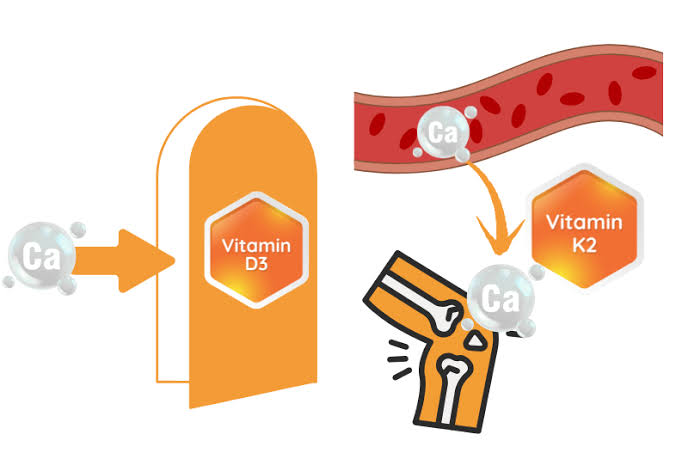
These three nutrients work together in a carefully coordinated process:
- Calcium provides the building material for bones.
- Vitamin D3 helps your body absorb calcium.
- Vitamin K2 helps direct calcium into your bones, where it belongs.
Without this teamwork, calcium cannot perform its job as efficiently.
In this article, we’ll explain how calcium, vitamin D3, and vitamin K2 interact, why they are often combined in supplements, and how they contribute to lifelong bone health.
Why Bone Health Depends on More Than Calcium
Bones are living tissues that continuously undergo remodeling throughout life.
Every day, your body removes old bone tissue and replaces it with new bone. This process requires a steady supply of nutrients.
Calcium is essential—but it isn’t enough on its own.
Without proper absorption and distribution, even adequate calcium intake may not fully support healthy bones.
This is where vitamins D3 and K2 become important.
The Role of Calcium
Calcium is the most abundant mineral in the human body.
About 99% of your body’s calcium is stored in bones and teeth, providing strength and structure.
The remaining 1% supports critical functions such as:
- Muscle contraction
- Nerve transmission
- Blood clotting
- Heart rhythm
- Hormone release
Because calcium is involved in so many vital processes, your body maintains stable blood calcium levels at all times. If your diet doesn’t provide enough calcium, the body withdraws calcium from your bones to meet these essential needs.
The Role of Vitamin D3
Vitamin D3 acts as the body’s calcium absorption helper.
After you consume calcium, vitamin D3 helps your intestines absorb it into the bloodstream.
Without adequate vitamin D3:
- Calcium absorption decreases.
- More dietary calcium passes through the digestive system unused.
- Bones receive less of the calcium they need.
Vitamin D3 also supports:
- Healthy muscle function
- Immune system health
- Bone mineralization
Because vitamin D deficiency is common worldwide, many people may not absorb calcium as efficiently as they should.
Xem thêm: How to Maximize Calcium Absorption Naturally: 10 Science-Backed Tips
The Role of Vitamin K2
Once calcium enters the bloodstream, another question arises:
Where should that calcium go?
This is where vitamin K2 becomes important.
Vitamin K2 activates proteins such as osteocalcin, which help bind calcium to bone tissue.
It also activates proteins that help reduce calcium buildup in soft tissues.
In simple terms, vitamin K2 helps guide calcium to the right destination.
This makes vitamin K2 an important partner for maintaining healthy bones.
How Calcium, Vitamin D3, and K2 Work Together
Think of building a house.
- Calcium is the bricks.
- Vitamin D3 delivers the bricks to the construction site.
- Vitamin K2 places the bricks exactly where they belong.
Without calcium, there are no building materials.
Without vitamin D3, fewer building materials reach the site.
Without vitamin K2, calcium may not be utilized as efficiently for bone formation.
This teamwork explains why many bone health experts recommend obtaining all three nutrients together.
Why Adults Need This Combination
Although height growth typically stops after adolescence, bone remodeling continues throughout adulthood.
Every day your skeleton undergoes repair and renewal.
Adults need adequate nutrition to support:
- Bone density
- Bone strength
- Healthy posture
- Physical mobility
- Long-term skeletal health
Calcium, vitamin D3, and vitamin K2 work together to support these goals.

Who May Benefit Most?
Certain individuals may have greater nutritional needs.
These include:
Adults With Low Dairy Intake
People who consume little milk or dairy products may not meet their daily calcium requirements.
Older Adults
Bone density naturally changes with age.
Maintaining adequate calcium intake becomes increasingly important.
Women After Menopause
Hormonal changes can accelerate bone loss, making nutritional support especially valuable.
Individuals With Limited Sun Exposure
People who spend most of their time indoors may have lower vitamin D levels.
Active Adults
Exercise places healthy demands on bones, making proper nutrition essential for recovery and maintenance.
Best Food Sources of Calcium
Excellent calcium-rich foods include:
- Milk
- Yogurt
- Cheese
- Sardines
- Canned salmon with bones
- Kale
- Bok choy
- Calcium-set tofu
- Fortified plant-based milk
A balanced diet remains the foundation of healthy bones.
Best Sources of Vitamin D3
Vitamin D3 can be obtained through:
- Safe sunlight exposure
- Fatty fish
- Egg yolks
- Fortified dairy products
- Fortified cereals
Many adults still struggle to maintain adequate vitamin D levels, particularly during winter or when spending limited time outdoors.
Best Sources of Vitamin K2
Natural dietary sources include:
- Natto (fermented soybeans)
- Certain aged cheeses
- Egg yolks
- Chicken
- Liver
Because vitamin K2 is found in fewer foods than calcium, some people may not consume optimal amounts.
Should You Take a Combination Supplement?
Food should always be the primary source of nutrition whenever possible.
However, supplements may be beneficial if:
- Your calcium intake is low.
- You have limited sun exposure.
- Your healthcare provider recommends supplementation.
- You have increased nutritional requirements.
Many experts recommend combination formulas containing:
- Calcium
- Vitamin D3
- Vitamin K2
This combination helps support efficient calcium utilization.
Healthy Lifestyle Habits for Strong Bones
Nutrition works best alongside healthy daily habits.
Stay Physically Active
Weight-bearing exercise stimulates bone remodeling.
Eat a Balanced Diet
Focus on nutrient-rich whole foods.
Get Enough Sleep
Quality sleep supports recovery and overall wellness.
Avoid Smoking
Smoking has been linked to reduced bone density.
Limit Excessive Alcohol
Heavy alcohol consumption may negatively affect bone health.
Healthy habits enhance the benefits of good nutrition.
Xem thêm: What Happens When Adults Don’t Get Enough Calcium?
Common Myths About Calcium, Vitamin D3, and K2
Myth 1: Calcium Alone Is Enough
Calcium is important, but vitamin D3 and vitamin K2 help your body absorb and utilize it effectively.
Myth 2: More Calcium Is Always Better
Consuming extremely large amounts of calcium does not necessarily improve bone health.
Balanced nutrition is more important than excessive intake.
Myth 3: Adults No Longer Need Bone-Supporting Nutrients
Bone remodeling continues throughout life.
Adults benefit from maintaining healthy calcium, vitamin D3, and vitamin K2 intake.
The Bottom Line
Strong bones require more than calcium alone.
Calcium provides the essential mineral your bones need, vitamin D3 helps your body absorb it, and vitamin K2 helps guide it to the right place. Together, these three nutrients form a powerful partnership that supports bone strength, bone density, mobility, and long-term skeletal health. Combined with regular exercise, a balanced diet, and healthy lifestyle habits, maintaining adequate calcium, vitamin D3, and vitamin K2 intake is one of the smartest ways to support your bones at every stage of life.
