

 Tiếng Việt
Calcium is often associated with growing children and strong bones, but its importance doesn’t end once you reach adulthood. In fact, adults need a steady supply of calcium every day to maintain healthy bones, support muscle function, and keep many vital systems working properly.
Unfortunately, many adults fail to consume the recommended daily amount of calcium. Because calcium deficiency often develops gradually, the warning signs can be subtle and easy to ignore until more serious problems begin to appear.
So, what really happens when adults don’t get enough calcium?
In this article, we’ll explain how calcium supports your body, what happens when intake is too low, and how you can maintain healthy calcium levels throughout life.
Why Adults Still Need Calcium
Many people assume that calcium is only important during childhood and adolescence, when bones are actively growing.
While calcium is certainly essential during these stages, it remains equally important throughout adulthood.
Your bones are living tissues that constantly undergo a process called bone remodeling, where old bone is broken down and replaced with new bone.
Calcium supports this process by helping maintain:
- Bone density
- Bone strength
- Muscle function
- Nerve signaling
- Heart health
Without enough calcium, your body must find another source.
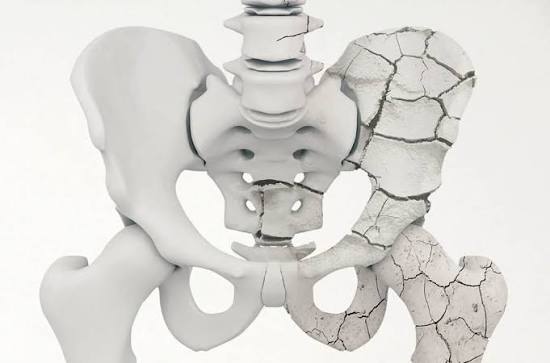
Where Does the Body Get Calcium?
Your body carefully maintains a stable level of calcium in the bloodstream because calcium is necessary for many life-sustaining functions.
If your daily diet doesn’t provide enough calcium, the body compensates by removing calcium stored in your bones.
This process helps keep blood calcium levels normal, but over time it may weaken the skeleton.
The longer calcium intake remains insufficient, the greater the potential impact on bone health.
Xem them: Can Calcium Supplements Help You Grow Taller? What Science Really Says
Early Signs of Low Calcium Intake
Calcium deficiency often develops slowly.
In many cases, adults may not notice any obvious symptoms at first.
As calcium stores gradually decline, some people may experience:
Muscle Cramps
Calcium helps regulate muscle contractions.
Low calcium levels may contribute to:
- Leg cramps
- Muscle spasms
- Muscle twitching
Fatigue
Some individuals report feeling tired or lacking energy when nutritional intake is inadequate.
Tingling Sensations
Calcium plays an important role in nerve function.
Some people may notice tingling or numbness in the hands, feet, or around the mouth.
Weak Nails
Brittle or easily broken nails may sometimes be associated with poor overall nutrition, including inadequate calcium intake. Although these symptoms can have many causes, persistent concerns should be discussed with a healthcare professional.
Long-Term Effects of Inadequate Calcium Intake
The most significant effects of low calcium intake often occur gradually over many years.
Reduced Bone Density
As calcium is continually removed from bones, bone mineral density may decrease.
Lower bone density can make bones less resilient over time.
Increased Risk of Fractures
Weaker bones are generally more vulnerable to fractures after falls or injuries.
Maintaining adequate calcium intake is one important part of supporting bone strength.
Changes in Posture
Healthy bones help support proper posture.
Over time, weakened bones and reduced skeletal strength may contribute to changes in posture and mobility.
Reduced Physical Confidence
Strong bones support an active lifestyle.
Maintaining skeletal health helps people remain physically independent as they age.
Calcium Supports More Than Bones
While bones store most of the body’s calcium, the mineral is also essential for many other systems.
Muscle Function
Calcium allows muscles to contract and relax properly. Without sufficient calcium, normal muscle performance may be affected.
Nerve Communication
Calcium helps transmit signals between nerves and muscles. This process allows your body to respond quickly to movement and external stimuli.
Heart Function
The heart is a muscle that depends on calcium to maintain a normal rhythm. Healthy calcium balance supports proper cardiovascular function.
Blood Clotting
Calcium participates in the complex process that allows blood to clot after an injury. These important functions explain why the body prioritizes maintaining stable blood calcium levels.
Who Is Most at Risk of Low Calcium Intake?
Certain groups are more likely to consume insufficient calcium.
These include:
Adults Who Avoid Dairy
People with lactose intolerance or those following dairy-free diets may consume less calcium.
Vegans
Plant-based diets can provide calcium, but they require careful planning.
Older Adults
Calcium requirements often increase with age while dietary intake may decrease.
Women After Menopause
Hormonal changes can affect bone health, making adequate calcium intake especially important.
Individuals With Low Vitamin D Levels
Vitamin D is necessary for efficient calcium absorption.
Without enough vitamin D, your body cannot fully utilize the calcium you consume.
How Much Calcium Do Adults Need?
General recommendations include:
- Adults ages 19–50: 1,000 mg per day
- Women over 50: 1,200 mg per day
- Men over 70: 1,200 mg per day
Your healthcare provider may recommend different amounts depending on your personal health needs.
Best Sources of Calcium
The best way to obtain calcium is through a balanced diet.
Excellent sources include:
Dairy Products
- Milk
- Yogurt
- Cheese
Fish
- Sardines
- Canned salmon with edible bones
Vegetables
- Kale
- Bok choy
- Collard greens
Fortified Foods
- Plant-based milk
- Breakfast cereals
- Orange juice
Other Sources
- Calcium-set tofu
- Almonds
- Sesame seeds
Including a variety of these foods helps support daily calcium intake.
Xem them: How Calcium Supports Stronger Bones Throughout Life
Do Adults Need Calcium Supplements?
Not everyone requires a supplement.
However, supplementation may be helpful if:
- Your dietary intake is consistently low.
- You avoid calcium-rich foods.
- You have increased nutritional needs.
- Your healthcare provider recommends supplementation.
When selecting a supplement, look for formulas that include nutrients supporting calcium absorption, such as:
- Vitamin D3
- Vitamin K2
- Magnesium
- Zinc
These nutrients work together to promote healthy bones.
Healthy Habits That Support Calcium Levels
Nutrition is only part of the picture.
To support healthy bones:
Exercise Regularly
Weight-bearing exercise helps maintain bone density.
Get Enough Vitamin D
Safe sunlight exposure and vitamin D-rich foods support calcium absorption.
Eat a Balanced Diet
A varied diet provides additional nutrients important for skeletal health.
Avoid Smoking
Smoking has been linked to reduced bone density.
Limit Excessive Alcohol
Heavy alcohol consumption may interfere with normal bone remodeling.
The Bottom Line
Calcium is essential throughout adulthood—not only for maintaining strong bones but also for supporting muscles, nerves, and heart function. When adults don’t get enough calcium, the body compensates by drawing calcium from the bones. Although this process helps maintain normal blood calcium levels, it may gradually weaken the skeleton if dietary intake remains inadequate.
The good news is that maintaining healthy calcium levels is achievable through a balanced diet, regular exercise, sufficient vitamin D, and supplementation when appropriate. Supporting your calcium intake today is an investment in stronger bones, better mobility, and long-term health for years to come.
