

 Tiếng Việt
Osteoporosis is often described as a women’s disease. Public health campaigns, medical screening programs, and even everyday conversations tend to focus on women after menopause.
Yet men are far from immune. Estimates suggest that around one in five men over the age of 50 will experience a fracture related to osteoporosis during their lifetime. Men who suffer a hip fracture also tend to have worse outcomes than women, including higher rates of complications and mortality.
Because the condition is less expected in men, it is frequently overlooked until a fracture occurs. This article explains why men lose bone, what increases their risk, and how they can protect their skeleton.
1. How Bone Loss Differs Between Men and Women
Men generally build larger and denser bones during adolescence and early adulthood. This gives them a higher peak bone mass, which acts as a buffer against later loss.
Men also do not experience a sudden hormonal drop equivalent to menopause. Instead, testosterone and estrogen levels in men decline gradually with age. As a result, bone loss in men tends to begin later and progress more slowly.
However, by around age 65 to 70, men lose bone at a rate similar to women. With longer life expectancy, more men are living long enough for bone loss to become a serious concern.
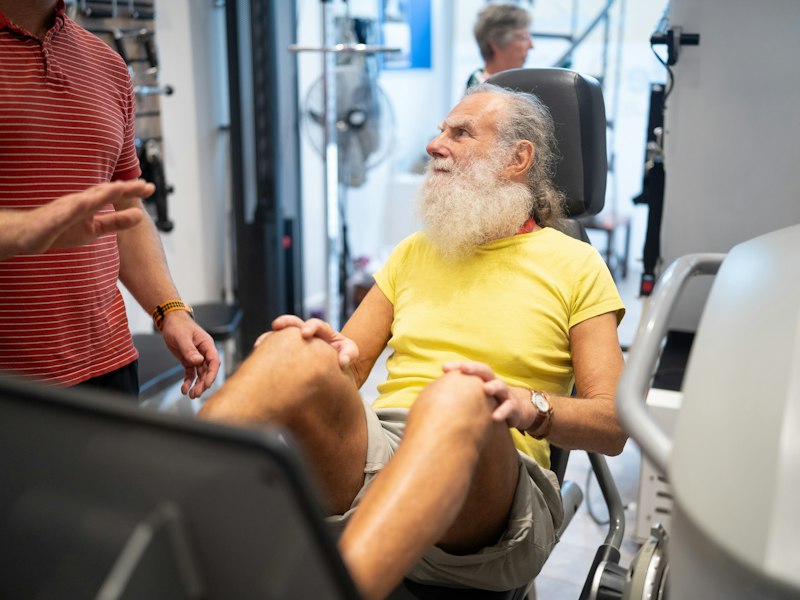
2. The Role of Hormones in Men’s Bones
Testosterone supports bone and muscle mass. Interestingly, men also convert part of their testosterone into estrogen, which plays a key role in maintaining bone density in men as well as women.
Low testosterone, whether due to aging, medical conditions, or certain treatments, is associated with lower bone density. For example, some hormone-reducing treatments for prostate cancer can significantly accelerate bone loss, and men receiving them often require bone health monitoring.
3. Secondary Causes Are Common in Men
In many men with osteoporosis, an underlying factor contributes to bone loss. These are called secondary causes and may include:
Long-term use of glucocorticoid medications
Low testosterone levels
Excessive alcohol consumption
Smoking
Chronic kidney or liver disease
Digestive disorders that affect nutrient absorption
Type 1 or type 2 diabetes
Long periods of immobility
Identifying and addressing these causes is an important part of protecting bone health in men.
4. Lifestyle Risk Factors Men Should Know
Alcohol
Drinking heavily on a regular basis can interfere with bone formation, reduce calcium absorption, and increase the risk of falls. Keeping alcohol within recommended limits benefits bones and overall health.
Smoking
Smoking is linked to lower bone density and slower fracture healing. Quitting at any age can help reduce further damage.
Inactivity
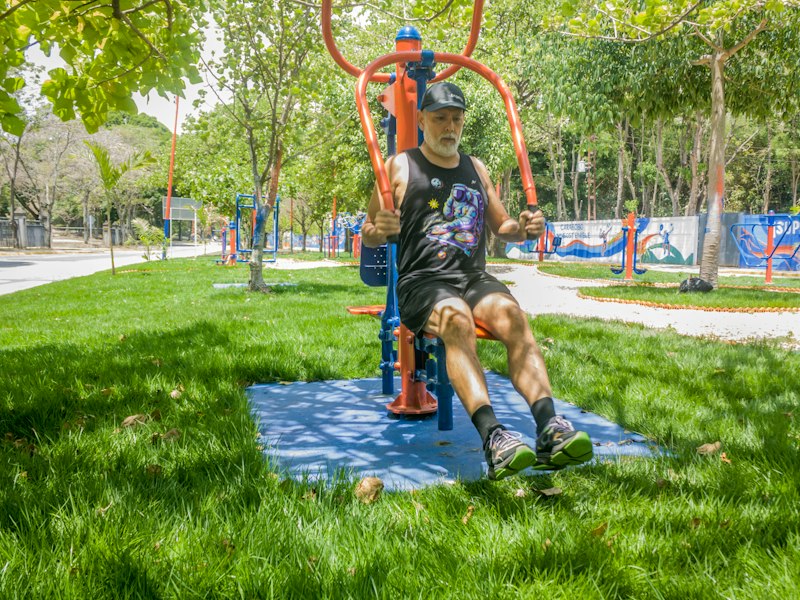
Many men become less active as work and family responsibilities increase. Long hours of sitting reduce the mechanical stimulation bones need to stay strong. Read more: Modern Lifestyle and Bone Health: Are Your Daily Habits Affecting Your Skeleton?
Poor nutrition
Diets low in calcium, vitamin D, and protein, or high in ultra-processed foods, can gradually weaken bone over time.
5. Warning Signs Men Often Ignore
Like in women, bone loss in men usually causes no symptoms until a fracture happens. Signs worth paying attention to include:
Breaking a bone after a minor fall
Noticeable loss of height
A gradually stooping posture
Sudden, unexplained back pain
Height loss is often dismissed as a normal part of aging, but larger changes can indicate spinal fractures. Read more: Why Do Adults Lose Height With Age? Causes and How to Slow It Down
6. Should Men Get a Bone Density Test?
Many guidelines suggest that men aged 70 and older consider bone density testing, as well as younger men aged 50 to 69 with risk factors such as long-term steroid use, low testosterone, or a previous fracture.
A DEXA scan is quick and painless. It provides valuable information that can guide prevention or treatment. Learn more in our guide Bone Density Test (DEXA Scan): What Adults Should Know.
7. How Men Can Protect Their Bones
Strength training
Resistance exercise is one of the best tools for maintaining bone and muscle mass. Squats, deadlifts, push-ups, rows, and lunges load the skeleton in ways that encourage bone strength. Aim for at least two sessions per week.
Weight-bearing cardio
Walking, hiking, jogging, and racket sports provide impact that helps maintain bone density in the hips and spine.
Balance training
Falls are the main cause of fractures. Balance exercises, tai chi, and yoga can help reduce fall risk as men age.

Adequate nutrition
Men generally need around 1,000 mg of calcium per day, increasing to about 1,200 mg after age 70 according to many guidelines. Vitamin D, protein, magnesium, and vitamin K are also important. For guidance, see Calcium Requirements by Age: A Complete Guide.
Regular health check-ups
Discuss bone health with your doctor, especially if you take medications that affect bones or have conditions linked to bone loss.
Conclusion
Osteoporosis is not just a women’s issue. Men lose bone too, often later in life and frequently because of secondary causes such as medications, alcohol, smoking, or low testosterone. Because the condition is less expected in men, it is more likely to go undiagnosed.
The good news is that men can take practical steps to protect their bones: stay active with strength and weight-bearing exercise, eat a nutrient-rich diet, limit alcohol, avoid smoking, and talk with a doctor about screening when appropriate. Strong bones support an active, independent life at every age.
This article is for general informational purposes only and does not replace professional medical advice.
