

 Tiếng Việt
Many adults who want to look taller immediately think about supplements, stretching routines, or special diets. However, exercise is another important part of the equation. Although adults generally cannot increase their skeletal height once their growth plates have closed, the right types of exercise can support stronger bones, better posture, muscle strength, and a healthier body.
For people interested in maintaining their natural height and improving their overall appearance, exercise can be especially valuable. Strong muscles and a healthy skeletal system help the body maintain an upright posture, while regular weight-bearing activity supports bone density throughout adulthood.
In this article, we’ll explore the best exercises for adult bone health, explain whether exercise can actually make you taller, and discuss how physical activity can work together with proper nutrition and calcium supplementation.
Can Exercise Make Adults Taller?
Before discussing specific exercises, it is important to understand what exercise can and cannot do.
Once the growth plates in the long bones have closed, exercise cannot make those bones longer. Therefore, activities such as stretching, hanging, or yoga cannot permanently increase skeletal height in a fully grown adult.
However, exercise can influence how tall you appear.
Poor posture can cause the shoulders to round forward, the head to move forward, and the spine to become less upright. Strengthening the muscles responsible for posture may help you stand straighter and make better use of your natural height.
Exercise can also improve flexibility, balance, and body composition, all of which contribute to a healthier and more confident appearance.
Why Exercise Is Important for Bone Health
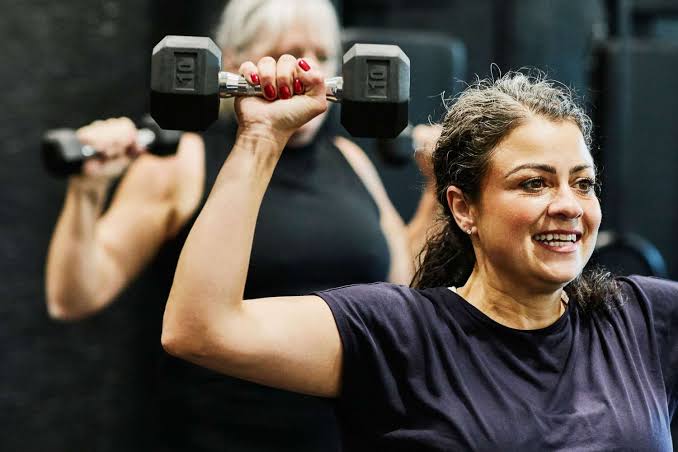
Bones are living tissues that respond to physical stress. When you place healthy demands on your skeleton through movement and weight-bearing activity, your body adapts to those demands.
Regular exercise can help maintain bone density and muscle strength, both of which become increasingly important as adults get older.
Strong muscles also provide better support for the joints and skeleton. This can make everyday movements easier and help maintain mobility throughout life.
For this reason, exercise should be viewed as an essential part of a complete bone health strategy rather than simply a method for changing physical appearance.
Walking: A Simple Exercise for Stronger Bones
Walking is one of the easiest forms of weight-bearing exercise for adults.
Every step places a small amount of mechanical stress on the bones of the legs, hips, and spine. Regular walking can therefore contribute to maintaining healthy bones while also supporting cardiovascular fitness.
Walking is particularly useful for people who are new to exercise because it requires little equipment and can be adapted to different fitness levels.
A brisk walk can also provide an opportunity to spend time outdoors, although sun exposure should always be sensible and appropriate for individual skin type and local conditions.
Read more: Can Adults Still Grow Taller? Understanding Height Growth After 18
Strength Training
Strength training is one of the most valuable forms of exercise for maintaining both muscles and bones.
Exercises such as squats, lunges, rows, and controlled presses place resistance on the muscles and the skeletal system. Over time, progressive resistance training can help improve muscle strength and support healthy bone density.
You don’t necessarily need heavy weights to get started. Bodyweight exercises can provide an effective introduction, while resistance bands, dumbbells, or gym equipment can be added as strength improves.
For adults interested in posture, strength training can be particularly useful because it develops the muscles that help stabilize the spine, shoulders, hips, and core.
Squats and Lower-Body Exercises
The lower body carries much of your weight throughout the day, making lower-body exercises particularly relevant to bone and muscle health.
Squats train the muscles around the thighs, hips, and core while placing a healthy amount of resistance through the lower body.
Lunges and step-ups can provide additional variations.
These exercises do not lengthen the bones or increase adult height, but they can help build stronger muscles and improve overall physical function.
Good technique is important. Beginners should start with a comfortable level of resistance and focus on controlled movement rather than trying to lift as much weight as possible.
Core Exercises for Better Posture
A strong core provides stability for the spine and pelvis.
Exercises such as planks, dead bugs, bird dogs, and controlled abdominal movements can help strengthen the muscles responsible for maintaining body stability.
Better core strength may make it easier to maintain an upright posture during daily activities.
If someone spends many hours sitting at a desk, strengthening the core and upper back can be particularly helpful. However, exercise should be combined with regular movement breaks and an ergonomic working environment.
Back and Shoulder Exercises
Rounded shoulders and a forward head position can make a person appear shorter.
Strengthening the upper back and shoulder muscles may help improve postural control.
Exercises such as rows, reverse fly movements, and resistance-band pull-aparts can target muscles that help stabilize the shoulder blades.
The goal is not to force the body into an unnatural position. Instead, consistent strengthening and mobility work can help the body maintain a comfortable, upright posture.
Yoga and Stretching
Yoga and stretching are often promoted as methods for increasing height.
While they cannot lengthen adult bones after growth plate closure, they can provide other benefits.
Regular stretching may improve flexibility and range of motion, while yoga can help with body awareness, balance, and posture.
Some people may feel temporarily taller after stretching because the spine and surrounding muscles feel less compressed. This does not represent permanent skeletal growth.
Yoga can therefore be a useful addition to a bone-friendly fitness routine, as long as expectations remain realistic.
Hanging Exercises
Hanging from a bar is another popular technique marketed for adult height growth.
Hanging may temporarily reduce the feeling of spinal compression and can challenge the muscles of the shoulders, arms, and upper body.
However, there is no reliable evidence that hanging permanently increases the length of adult bones.
It can still be included as part of a general fitness routine if performed safely and if there are no medical restrictions.
Running and Jumping Activities
Higher-impact activities can place greater mechanical demands on the skeleton than low-impact movement.
Running, jumping, dancing, and certain sports can provide weight-bearing stimulation that supports healthy bones.
However, the appropriate level of impact depends on age, fitness level, previous injuries, and overall health.
Adults who are new to exercise should gradually increase intensity rather than suddenly beginning a high-impact routine.
Swimming and Cycling: Are They Good for Bones?
Swimming and cycling are excellent forms of exercise for cardiovascular fitness and muscular endurance, but they are not considered weight-bearing in the same way as walking, running, or strength training.
This does not make them bad for bone health. They can still contribute to overall physical fitness and muscle development.
For a comprehensive exercise routine, adults can combine activities such as swimming or cycling with resistance training and weight-bearing exercise.
Read more: The Relationship Between Calcium, Vitamin D3, and K2: Why These Nutrients Work Better Together
How Often Should Adults Exercise?
Consistency matters more than performing one intense workout occasionally.
A balanced exercise routine can combine aerobic activity, strength training, mobility work, and weight-bearing movement throughout the week.
Adults who are beginning an exercise program should start gradually and increase duration or resistance over time.
Rest and recovery are also important. Muscles and connective tissues need time to adapt to training, and excessive exercise without adequate recovery can increase the risk of injury.
Exercise and Calcium: A Powerful Combination
Exercise alone is not enough to maintain optimal bone health. Your body also needs the raw materials required to build and maintain bone tissue.
Calcium is one of the most important of these nutrients.
When combined with adequate calcium intake, vitamin D, sufficient protein, and regular physical activity, exercise can become part of a comprehensive strategy for maintaining strong bones.
Calcium supports bone mineralization, while exercise provides the mechanical stimulus that encourages the skeleton to adapt.
This is why nutrition and physical activity should be considered complementary rather than competing approaches.
The Role of Vitamin D
Vitamin D is another important part of the equation.
It helps the body absorb calcium from the digestive system. Without sufficient vitamin D, the body may have difficulty making full use of the calcium consumed through food or supplements.
Maintaining adequate vitamin D through appropriate sunlight exposure, food sources, and supplementation when necessary can therefore support the overall effectiveness of a bone-health routine.
Can Hito Calcium Be Part of an Exercise Routine?
Adults who have difficulty meeting their daily calcium needs through food may consider a calcium supplement as part of their nutritional routine.
Hito Calcium can be positioned as a convenient way to supplement daily calcium intake while maintaining an active lifestyle.
However, supplements should not be viewed as a replacement for exercise or a balanced diet. Strong bones depend on multiple factors, including nutrition, physical activity, sleep, and overall health.
The best approach is to combine appropriate supplementation with healthy lifestyle habits.
A Simple Weekly Approach to Bone-Friendly Exercise
You don’t need an extremely complicated workout program to support your bones.
A practical routine can include regular walking or other aerobic activities, several strength-training sessions throughout the week, and short mobility or stretching sessions.
For people who spend much of the day sitting, simply getting up regularly and moving around can also make a meaningful difference.
Over time, consistency is more important than perfection.
The Bottom Line
Exercise cannot permanently increase the length of adult bones after growth plates have closed, so activities such as stretching, yoga, or hanging should not be promoted as guaranteed methods for increasing height.
However, exercise can still make a significant difference to how you look and feel. Strength training, walking, weight-bearing activities, core exercises, and posture-focused movements can help support stronger muscles, healthier bones, better posture, and long-term mobility.
For the best results, combine regular physical activity with adequate calcium, vitamin D, protein, sufficient sleep, and a balanced diet. When dietary calcium intake is insufficient, a convenient supplement such as Hito Calcium can help fill the nutritional gap.
The goal isn’t simply to become taller. It’s to build a stronger, healthier body that allows you to stand confidently at your natural height and remain active for years to come.
