

 Tiếng Việt
Menopause is a natural stage of life, but it brings significant changes to a woman’s body. Hot flashes and mood changes are the symptoms people talk about most. One of the most important changes, however, happens silently inside the bones.
In the years surrounding menopause, bone loss can accelerate considerably. This is the main reason why osteoporosis is far more common in women than in men.
Understanding what happens during this transition and taking action early can make a meaningful difference to long-term bone strength and independence.
1. Why Menopause Affects Bones
Estrogen plays a protective role in bone health. It helps regulate the balance between bone formation and bone breakdown by limiting the activity of osteoclasts, the cells that remove old bone.
When estrogen levels fall during menopause, this protective effect weakens. Bone breakdown begins to outpace bone formation, leading to a gradual loss of bone density.
Research suggests that women can lose a substantial amount of bone mass in the first five to seven years after menopause. The rate of loss tends to slow afterward, but it continues throughout later life.
2. Who Is at Higher Risk?
Every woman experiences some bone loss after menopause, but certain factors increase the risk of osteoporosis and fractures:
Early menopause, before the age of 45, either natural or surgical
A family history of osteoporosis or hip fracture
A small, thin body frame or low body weight
Low lifetime intake of calcium and vitamin D
Physical inactivity
Smoking and heavy alcohol consumption
Long-term use of certain medications, such as glucocorticoids
Conditions such as rheumatoid arthritis or thyroid disorders
Women who built strong bones in their younger years generally enter menopause with a larger “bone bank”, which offers more protection against later losses.
3. Early Warning Signs to Notice
Bone loss itself has no symptoms. The first sign is often a fracture after a minor fall. However, some changes can serve as clues:
Gradual height loss
A stooped or rounded upper back
Sudden back pain that may indicate a vertebral fracture
A fracture from a fall that would not normally break a bone
Read more: Why Do Adults Lose Height With Age? Causes and How to Slow It Down
4. The Value of Bone Density Screening
A bone density test is the best way to know where you stand. Many guidelines recommend testing for all women aged 65 and older, and earlier for postmenopausal women with risk factors.
Learning about low bone mass early gives you time to strengthen your bones before a fracture occurs. Our guide Bone Density Test (DEXA Scan): What Adults Should Know explains how the test works and how to read the results.
5. Nutrition for Women After Menopause
Calcium
Calcium needs increase for women after menopause. Many health authorities recommend around 1,200 mg per day for women over 50, ideally obtained mostly from food. Good sources include dairy products, calcium-set tofu, fortified plant beverages, sardines with bones, and leafy greens such as kale and bok choy.
Vitamin D
Vitamin D helps the body absorb calcium. Because the skin produces less vitamin D with age, many older women benefit from vitamin D-rich foods or supplements.
Protein
Adequate protein supports both bone structure and muscle strength. Including a source of protein at each meal, such as fish, eggs, legumes, tofu, or dairy, can help preserve muscle mass and reduce fall risk.
Magnesium and vitamin K
These nutrients support bone mineralization and are found in nuts, seeds, whole grains, and leafy green vegetables.
For a deeper look at how calcium works with other nutrients, see Calcium, Vitamin D3, and K2: How Do They Work Together for Bone Health?
6. Exercise: One of the Most Powerful Tools
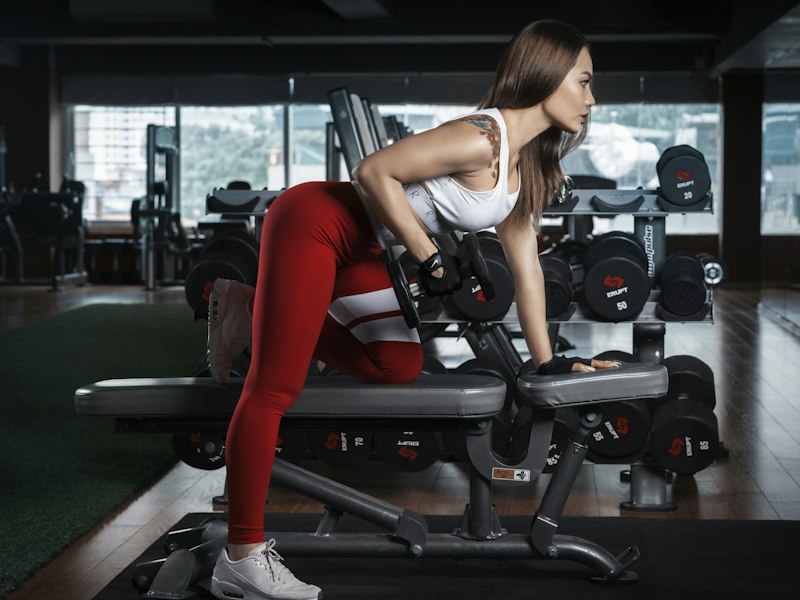
Bones respond to the forces placed on them. Exercise is therefore one of the most effective ways to slow bone loss after menopause.
Weight-bearing exercise: brisk walking, hiking, stair climbing, and dancing
Resistance training: lifting weights, using resistance bands, or bodyweight exercises at least two times per week
Balance training: tai chi, yoga, and specific balance exercises to reduce the risk of falls
Posture exercises: strengthening the upper back to help prevent a stooped posture
Women who already have osteoporosis should seek guidance before starting high-impact activities or exercises that involve heavy forward bending or twisting of the spine.

7. Lifestyle Habits That Protect Bone
Avoid smoking, which accelerates bone loss
Keep alcohol intake moderate
Maintain a healthy body weight, avoiding extreme dieting
Make your home safer by removing trip hazards and improving lighting
Have regular eye checks, since poor vision increases fall risk
8. Medical Treatment Options
For women with osteoporosis or a high risk of fracture, doctors may recommend medication. Options include treatments that slow bone breakdown, therapies that stimulate bone formation, and, for some women, hormone therapy. Each option has benefits and potential risks, so treatment decisions should be made together with a healthcare professional based on individual health history.
Conclusion
Menopause marks a turning point for bone health. The decline in estrogen speeds up bone loss, making the years after menopause a critical time to protect the skeleton.
By combining adequate calcium, vitamin D, and protein with regular strength and balance exercises, healthy daily habits, and timely screening, women can significantly reduce their risk of osteoporosis and fractures and continue to live active, independent lives.
This article is for general informational purposes only and does not replace professional medical advice.
