

 Tiếng Việt
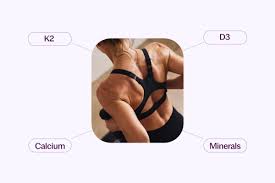
When people think about strong bones, calcium is usually the first nutrient that comes to mind. However, calcium does not work alone. Vitamin D3 and vitamin K2 are also frequently discussed in relation to bone health, and many modern nutritional formulas combine these nutrients in a single product.
But what does each nutrient actually do? Why are calcium, vitamin D3, and K2 often combined? And can this combination help adults maintain stronger bones? Understanding how these nutrients work can help you make more informed choices about your daily nutrition and calcium supplementation.
Why Is Calcium Important for Bones?
Calcium is the most abundant mineral in the human body, with approximately 99% stored in the bones and teeth. It contributes to the mineral structure that gives bones their strength and rigidity.
However, calcium has functions beyond the skeleton. It is also involved in normal muscle contraction, nerve transmission, blood clotting, and other physiological processes. Because the body needs calcium for these essential functions, maintaining an adequate intake is important throughout life.
For children and teenagers, calcium supports normal skeletal development. For adults, it helps maintain the mineral content of bones as part of the ongoing bone-remodeling process.
Vitamin D3: Helping Your Body Absorb Calcium
You can consume plenty of calcium, but your body still needs vitamin D to absorb it effectively. Vitamin D helps regulate calcium absorption in the intestines and plays an important role in maintaining appropriate calcium and phosphate levels in the body.
This is why calcium and vitamin D are commonly paired together in nutritional supplements. Vitamin D3, also known as cholecalciferol, is one of the forms of vitamin D commonly used in supplements.
It can also be produced by the body when skin is exposed to ultraviolet B radiation.
However, vitamin D production varies depending on factors such as season, geographic location, age, skin pigmentation, clothing, and sunlight exposure. Dietary sources and fortified foods can therefore also be useful.
What Happens When Vitamin D Is Too Low?
If vitamin D levels are inadequate, calcium absorption from the digestive system can decrease.
Severe vitamin D deficiency can negatively affect bone mineralization and skeletal health.
This illustrates why simply consuming calcium isn’t always enough.
A healthy bone-supporting strategy should consider both calcium intake and vitamin D status.
However, this does not mean that everyone should take large doses of vitamin D.
The goal is to maintain an appropriate level based on individual needs.
What Is Vitamin K2?
Vitamin K is a fat-soluble vitamin involved in blood clotting and bone metabolism.
Vitamin K2 refers to a group of vitamin K forms known as menaquinones.
Certain proteins involved in bone metabolism require vitamin K-dependent activation.
This is one reason vitamin K2 is often included in supplements designed to support skeletal health.
However, vitamin K2 should not be viewed as a replacement for calcium or vitamin D.
Each nutrient has a different biological role.
Read more: Best Exercises to Support Height, Posture, and Strong Bones
Calcium, D3, and K2 Have Different Jobs
One simple way to understand the combination is to think about their individual roles.
Calcium provides an essential mineral component of bone.
Vitamin D3 helps the body absorb and regulate calcium.
Vitamin K is involved in activating specific proteins associated with bone metabolism.
These nutrients therefore participate in different parts of the overall process.
That doesn’t mean taking all three automatically produces superior results for everyone. It means that they are biologically connected within the broader system of bone health.
Why Are They Often Combined in Supplements?
Combining nutrients can make daily supplementation more convenient.
Instead of taking separate calcium, vitamin D, and vitamin K products, some people prefer a formula that contains multiple nutrients in one serving.
This can simplify a daily routine.
For example, a product such as Hito Calcium can be positioned as part of a comprehensive nutritional approach for adults who want convenient calcium supplementation.
The important point is to evaluate the actual nutritional amounts and recommended serving rather than choosing a product simply because it contains more ingredients.
Does Vitamin D3 Make Calcium More Effective?
Vitamin D3 supports calcium absorption, so adequate vitamin D is important when you’re trying to maintain sufficient calcium intake.
However, “more” does not necessarily mean “better.”
If someone already has adequate vitamin D status, taking increasingly high doses does not automatically produce greater bone benefits.
The same principle applies to calcium.
The goal is adequate nutrition—not excessive supplementation.
Does K2 Direct Calcium Into Your Bones?
You’ll often see supplements marketed with the simple claim that vitamin K2 “directs calcium to the bones.”
This phrase is an oversimplification.
Vitamin K-dependent proteins are involved in bone metabolism, but human calcium regulation is much more complex than simply directing calcium from one location to another.
Vitamin K plays an important biological role, but it should not be presented as a magic switch that determines exactly where every calcium molecule goes.
Understanding the science helps consumers distinguish reasonable nutritional claims from exaggerated marketing language.
Calcium and Bone Remodeling
Your bones are not static structures.
Throughout life, old bone tissue is continuously removed and replaced with new tissue.
This process is known as bone remodeling.
Calcium is an important mineral component of bone, while vitamin D and vitamin K are involved in processes related to calcium metabolism and bone tissue.
Maintaining adequate nutrition therefore supports the body’s normal ability to maintain the skeleton.
This process continues even after you have stopped growing taller.
What Happens After Growth Plates Close?
This distinction is especially important for adults interested in height.
Once the growth plates have closed, the long bones can no longer naturally increase in length.
Calcium, vitamin D3, and vitamin K2 cannot reopen closed growth plates.
However, these nutrients remain relevant to adult bone health.
For adults, the goal of supplementation should be supporting healthy bones and maintaining appropriate nutritional intake rather than expecting an increase in skeletal height.
Can Calcium, D3, and K2 Help Teenagers Grow?
Teenagers are still developing physically, and adequate nutrition is important during this stage.
Calcium contributes to normal bone development, while vitamin D supports calcium absorption and normal bone metabolism.
Vitamin K also contributes to normal bone metabolism.
However, these nutrients do not determine height independently.
Genetics, hormones, overall nutrition, sleep, physical activity, and individual development all influence growth.
A well-balanced diet and healthy lifestyle provide the foundation for normal development.

Food Sources of Calcium
Before thinking about supplements, consider your diet.
Dairy products such as milk, yogurt, and cheese are common calcium sources.
Other options include calcium-set tofu, sardines, canned salmon with edible bones, fortified plant-based beverages, and some leafy green vegetables.
Including several calcium-rich foods throughout the week can make it easier to maintain an adequate intake.
Food Sources of Vitamin D
Vitamin D is naturally present in relatively few foods.
Fatty fish such as salmon, sardines, and mackerel are useful sources.
Egg yolks contain smaller amounts, while some milk, plant-based beverages, cereals, and other foods may be fortified with vitamin D.
Sunlight exposure can also contribute to vitamin D production.
Because many factors affect vitamin D status, dietary intake and supplementation may be relevant for some individuals.
Read more: Height Growth After 18: What Factors Really Matter?
Food Sources of Vitamin K
Vitamin K1 is abundant in green leafy vegetables such as kale, spinach, broccoli, and other vegetables.
Vitamin K2 is found in certain fermented foods and animal products, although the amount varies significantly.
A varied diet can provide vitamin K along with many other nutrients.
People taking certain medications, particularly anticoagulants that interact with vitamin K, should speak with a healthcare professional before making significant changes to vitamin K intake or starting a supplement containing vitamin K.
Can You Get Too Much Calcium?
Yes.
More calcium is not automatically better.
The recommended intake represents the amount needed to support normal physiological functions, not a target that should be exceeded as much as possible.
Excessive supplemental calcium can cause gastrointestinal symptoms and, in some circumstances, contribute to health problems.
This is why total calcium intake from both food and supplements should be considered.
Can You Get Too Much Vitamin D?
Vitamin D is also a nutrient where excessive supplementation can be harmful.
Unlike many water-soluble vitamins, vitamin D is fat-soluble and can accumulate in the body.
Very high intakes over time can lead to excessive calcium levels in the blood and other complications.
For this reason, avoid taking high-dose vitamin D supplements without appropriate medical guidance.
What About Vitamin K2 Supplements?
Vitamin K2 is generally well tolerated at nutritional doses, but it can interact with certain anticoagulant medications.
If you take medication that affects blood clotting, consult your healthcare professional before using a supplement containing vitamin K.
This is an important consideration when choosing combination supplements.
How Hito Calcium Fits Into a Bone-Health Routine
For adults looking for a convenient source of calcium, Hito Calcium can be incorporated into a balanced nutritional routine.
A calcium supplement can help fill a dietary gap when someone does not consistently consume enough calcium-rich foods.
If the product formulation also provides vitamin D3 and K2, these nutrients can complement calcium as part of a broader approach to skeletal nutrition.
However, supplementation should not replace a healthy diet.
Regular physical activity, adequate protein, sufficient sleep, appropriate vitamin D status, and a varied diet remain important components of long-term bone health.
The Importance of Exercise
Nutrition and exercise work together.
Weight-bearing activities such as walking, jogging, dancing, and stair climbing place mechanical demands on the skeleton.
Resistance training can also support bone and muscle strength.
For adults, maintaining muscle strength is particularly important because muscles provide support and stability for the skeletal system.
A supplement cannot replace the benefits of physical activity.
Sleep and Bone Health
Sleep is another important part of a healthy lifestyle.
For teenagers, sufficient sleep supports normal growth and development.
For adults, adequate sleep supports recovery, physical performance, and overall well-being.
No calcium formula can compensate for consistently poor sleep.
A healthy routine should combine nutrition, exercise, rest, and appropriate supplementation.
How to Build a Complete Bone-Health Routine
A simple routine can include calcium-rich foods throughout the day, adequate protein, sources of vitamin D and vitamin K, and regular physical activity.
If dietary calcium intake is insufficient, an appropriate calcium supplement can help provide additional nutritional support.
Try to avoid relying on a single nutrient or expecting immediate results.
Bone health is a long-term process.
The habits you maintain consistently over months and years are much more important than short-term changes.
The Bottom Line
Calcium, vitamin D3, and vitamin K2 each have different roles in maintaining healthy bones.
Calcium provides an essential mineral component of the skeleton. Vitamin D3 supports calcium absorption and regulation, while vitamin K is involved in the activation of proteins associated with bone metabolism.
This explains why these nutrients are often combined in bone-health supplements.
However, they are not a magic formula for increasing adult height.
For teenagers who are still growing, adequate nutrition can support normal skeletal development. For adults whose growth plates have closed, calcium, D3, and K2 cannot make the long bones longer.
Their more realistic role is supporting healthy bones and maintaining adequate nutrition throughout adulthood.
Hito Calcium can be part of a convenient daily routine for adults who need additional calcium support. Combine supplementation with calcium-rich foods, adequate protein, regular exercise, sufficient sleep, and a healthy lifestyle for a comprehensive approach to long-term bone health.
Strong bones are built through consistency—not a single nutrient or a quick fix.
