

 Tiếng Việt
Height development is influenced by many factors, including genetics, sleep, physical activity, hormone levels, and nutrition. While genetics determine a large portion of a person’s potential height, proper nutrition plays a major role in helping the body grow to its fullest natural capacity. During childhood and adolescence, the body requires a steady supply of essential nutrients to build strong bones, develop muscles, and support the production of growth hormones.
One of the most common questions from parents and teenagers is: What should I eat to grow taller faster? The answer is not about one miracle food, but rather a consistent diet rich in nutrients that support healthy bone growth and overall development. Choosing the right foods during growth years can make a meaningful difference in helping the body perform at its best.
Why Food Matters for Height Growth
Height increases through the growth of bones, especially the long bones in the legs and arms. This growth happens at specialized areas called growth plates, where cartilage gradually transforms into solid bone tissue. For this process to happen efficiently, the body needs vitamins, minerals, protein, and sufficient calories.
A poor diet lacking essential nutrients may slow growth, weaken bone structure, and reduce energy levels needed for physical activity. On the other hand, a well-balanced eating pattern supports healthy development and creates the conditions needed for optimal growth.
Milk and Dairy Products
Milk is often associated with height growth, and for good reason. Dairy products are rich in calcium, protein, phosphorus, and often vitamin D, all of which are important for bone health.
Calcium helps build bone density, while protein supports tissue growth and muscle development. Vitamin D improves calcium absorption, allowing the body to use nutrients more effectively.
In addition to milk, yogurt and cheese are excellent options for supporting healthy growth. Greek yogurt, in particular, offers a higher protein content that may be especially beneficial for growing children and teenagers.
However, dairy alone is not enough. It works best as part of a broader nutrient-rich diet.
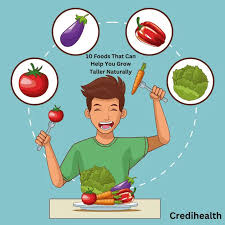
Eggs: A Powerful Growth Food
Eggs are one of the most complete sources of nutrition for growing bodies. They provide high-quality protein, healthy fats, vitamin D, vitamin B12, selenium, and other important nutrients.
Protein from eggs supplies essential amino acids that support tissue repair, muscle development, and hormone production. Since growth hormone activity depends partly on adequate protein intake, eggs can be a practical addition to a height-supportive diet.
Egg yolks also naturally contain vitamin D, which contributes to calcium absorption and bone health.
Eggs are versatile, affordable, and easy to include in breakfast, lunch, or dinner meals.
Lean Meat and Poultry
Chicken, turkey, and lean cuts of beef provide high-quality protein along with minerals such as zinc and iron.
Zinc is especially important because it plays a role in cell growth, immune health, and normal physical development. Low zinc intake has been associated with slower growth in some children.
Iron supports oxygen transport throughout the body, helping maintain energy and overall health. When the body functions efficiently, growth processes are better supported.
Including moderate portions of lean protein in daily meals can help provide the nutritional building blocks required for development.
Fish Rich in Omega-3 and Vitamin D
Fatty fish such as salmon, tuna, sardines, and mackerel are excellent foods for height-supportive nutrition.
These fish provide protein, vitamin D, phosphorus, and omega-3 fatty acids. Vitamin D helps the body absorb calcium, while omega-3 fats support overall health, including cellular function and inflammation balance.
Sardines are particularly valuable because they also contain calcium when consumed with edible bones.
Regular fish intake can be a beneficial part of a balanced growth-focused diet.
Leafy Green Vegetables
Vegetables such as spinach, kale, bok choy, broccoli, and collard greens provide important nutrients including calcium, magnesium, vitamin K, folate, and antioxidants.
Magnesium contributes to bone structure, while vitamin K supports bone metabolism. Leafy greens also provide nutrients that support general health and digestion.
While children may not always enjoy vegetables, creative meal preparation can help improve acceptance. Smoothies, soups, pasta dishes, and omelets are practical ways to incorporate greens.
Beans and Legumes
Beans, lentils, chickpeas, and peas are nutrient-dense plant foods that offer protein, zinc, iron, magnesium, and fiber.
Protein remains one of the most important nutrients for height development because the body needs amino acids to build tissues and support growth processes.
Legumes can be especially useful in balanced meal planning, whether as soups, stews, salads, or side dishes.
They also provide sustained energy, helping support active lifestyles.
Nuts and Seeds
Almonds, walnuts, pumpkin seeds, sunflower seeds, chia seeds, and sesame seeds offer healthy fats, magnesium, calcium, zinc, and protein.
Magnesium helps regulate bone formation and muscle function, while healthy fats support hormone production.
Because growth involves multiple biological systems, nutrient diversity matters. Nuts and seeds help contribute to that diversity in convenient snack-sized portions.
However, portion balance is important due to their calorie density.
Fruits Rich in Vitamin C
Vitamin C supports collagen production, which is important because collagen forms part of the structure of bones and cartilage.
Fruits such as oranges, strawberries, kiwi, pineapple, guava, papaya, and berries provide vitamin C along with antioxidants and hydration.
Healthy connective tissues support normal development, especially in rapidly growing children and teenagers.
Fruit also makes a healthier alternative to sugary snacks that provide calories without nutritional value.
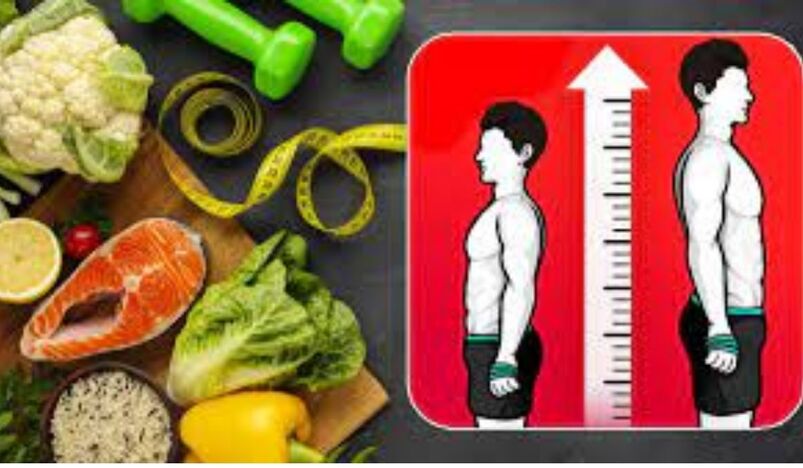
Whole Grains for Steady Energy
Brown rice, oats, quinoa, whole wheat bread, and whole grain cereals provide energy, B vitamins, magnesium, and fiber.
Growing children need sufficient calories to fuel physical development, daily activities, and exercise.
Whole grains help maintain energy levels while supporting balanced nutrition, making them a better option than highly processed refined carbohydrates.
Soy-Based Foods
Soybeans, tofu, soy milk, and edamame provide plant-based protein along with calcium and other minerals.
Soy protein contains essential amino acids that support muscle and tissue growth.
Fortified soy beverages may also provide additional vitamin D and calcium, making them useful alternatives for individuals who do not consume dairy.
Foods to Limit
Knowing what to avoid is also important when discussing height-supportive nutrition.
Highly processed foods, sugary drinks, excessive fast food, and snacks high in sodium may reduce overall diet quality. While occasional treats are fine, consistently poor food choices can displace nutrient-rich meals.
Too much caffeine in some adolescents may also interfere with sleep quality, which matters because growth hormone release is closely linked to deep sleep.
Nutrition Works Best with Healthy Habits
Eating the right foods is important, but nutrition alone cannot guarantee height increases.
Adequate sleep, regular physical activity, good posture, and general health all contribute to normal development. Activities such as jumping, swimming, stretching, and sports can support musculoskeletal health when combined with balanced nutrition.
Hydration also matters, as the body depends on water for metabolism and normal biological function.
If the goal is to support healthy height growth, the best strategy is a nutrient-rich, well-balanced diet rather than searching for one magical food.
Milk, eggs, fish, lean meats, leafy greens, legumes, nuts, fruits, whole grains, and protein-rich foods all contribute in different ways to bone development and physical growth. Combined with healthy lifestyle habits, these nutritional choices help create the strongest foundation for reaching natural height potential.
