

 Tiếng Việt
When we think about calcium, we usually focus on how much we eat. A glass of milk, a serving of tofu, or a calcium supplement all seem like simple solutions.
But there is an important step between eating calcium and building bone: absorption. Calcium only benefits your skeleton after it passes from the digestive tract into the bloodstream.
Your gut plays a major role in this process. In recent years, scientists have also become increasingly interested in how the trillions of bacteria living in the intestine, known as the gut microbiome, may influence bone health. This article explores what we currently know.
1. How Calcium Is Absorbed
Most calcium absorption takes place in the small intestine, through two main pathways:
Active transport: mainly in the upper small intestine, this process depends on the active form of vitamin D. It is especially important when calcium intake is low or moderate.
Passive diffusion: calcium moves between intestinal cells, particularly when intake is higher. This occurs along the length of the small intestine.
A smaller amount of calcium can also be absorbed in the large intestine, where gut bacteria may play a role.
On average, adults absorb roughly 25 to 35 percent of the calcium they consume, and this percentage tends to decline with age.
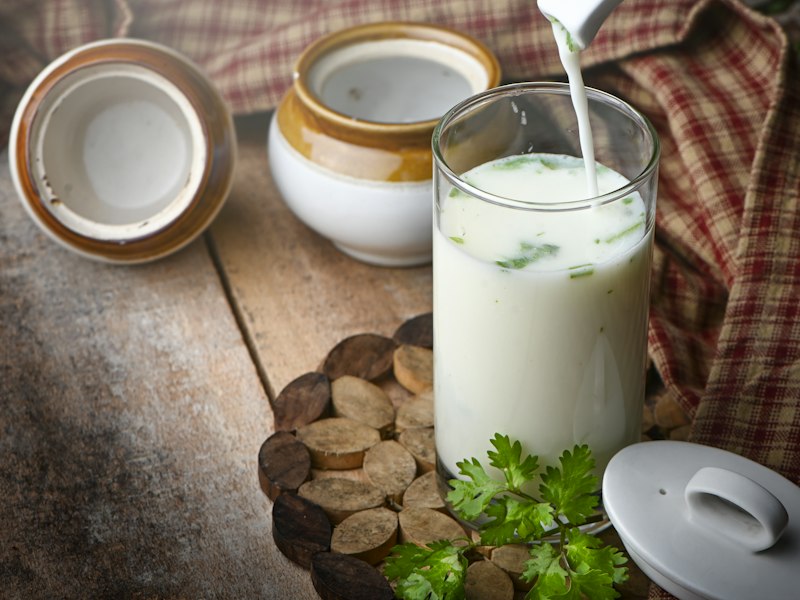
2. The Gut Microbiome and Bone: An Emerging Connection
The gut microbiome refers to the community of bacteria and other microorganisms living in your digestive tract. These microbes help digest food, produce certain vitamins, and communicate with the immune system.
Research in this area is still developing, and much of it comes from animal studies. However, several possible links between gut bacteria and bone health have been proposed:
Short-chain fatty acids: when gut bacteria ferment dietary fiber, they produce compounds such as butyrate and propionate. These may lower the pH in the large intestine, which can improve calcium solubility and absorption.
Inflammation: an imbalanced microbiome may contribute to low-grade inflammation, which is associated with increased bone breakdown.
Vitamin production: some gut bacteria produce vitamin K2, a nutrient involved in bone mineralization.
These findings are promising, but more human research is needed before firm conclusions can be drawn.
3. Prebiotics: Feeding the Good Bacteria
Prebiotics are types of fiber that feed beneficial gut bacteria. Some studies, particularly in adolescents, have found that certain prebiotic fibers, such as inulin and galacto-oligosaccharides, may modestly increase calcium absorption.
Natural sources of prebiotic fiber include:
Onions, garlic, and leeks
Asparagus and Jerusalem artichokes
Slightly green bananas
Oats and barley
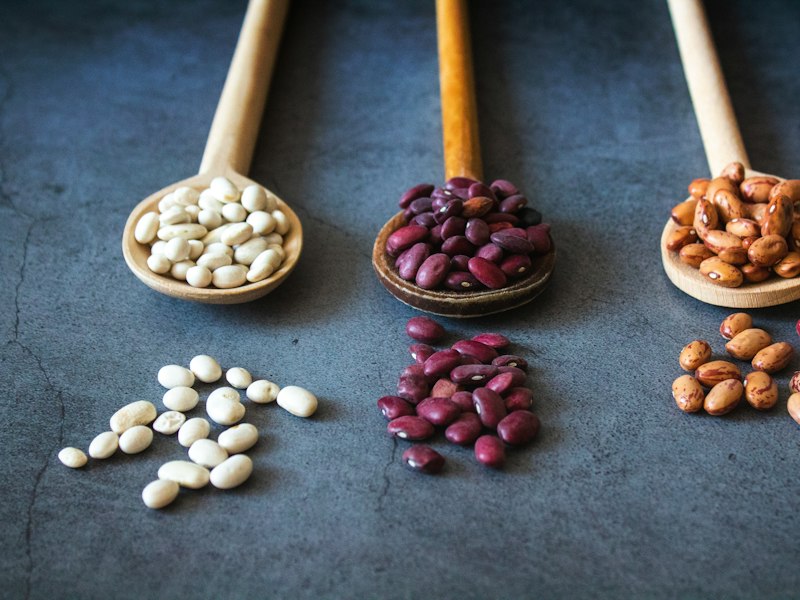
Beans, lentils, and chickpeas
4. Probiotics and Fermented Foods
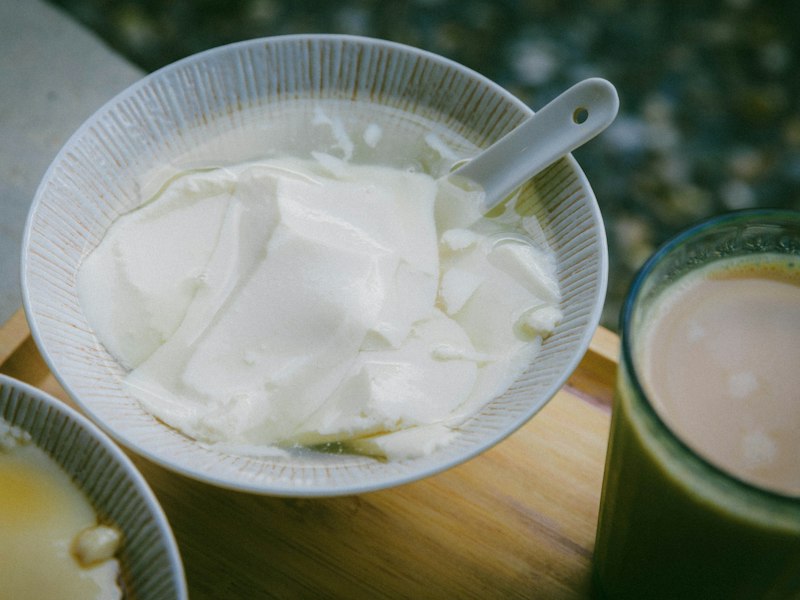
Probiotics are live microorganisms that may offer health benefits when consumed in adequate amounts. Fermented foods such as yogurt, kefir, kimchi, miso, and tempeh naturally contain these beneficial microbes.
Yogurt and kefir have an added advantage: they are also good sources of calcium and protein. Some small clinical trials have explored whether specific probiotic strains may help reduce bone loss in older adults, with encouraging but still preliminary results.
Including fermented foods in your diet is a sensible way to support overall gut health, even as research on their specific effects on bone continues.
5. Digestive Conditions That Can Affect Bones
Some medical conditions interfere with nutrient absorption and are associated with a higher risk of bone loss:
Celiac disease: damage to the small intestine can reduce absorption of calcium and vitamin D.
Inflammatory bowel disease: conditions such as Crohn’s disease may affect absorption, and treatment with corticosteroids can further impact bones.
Lactose intolerance: this does not directly harm bones, but people who avoid dairy may consume less calcium unless they choose alternatives.
Weight-loss surgery: certain procedures can reduce calcium absorption and require careful nutritional monitoring.
Long-term use of some acid-reducing medications has also been associated with a higher fracture risk in some studies. If you take these medications regularly, discuss your bone health with your doctor rather than stopping them on your own.
6. Everyday Habits for a Healthy Gut and Strong Bones
Eat a variety of plant foods: different fibers feed different bacteria, so diversity matters.
Include fermented foods regularly: yogurt, kefir, or other fermented options a few times a week.
Get enough vitamin D: it is essential for the active absorption of calcium. Read more: Sunlight and Vitamin D: How Much Sun Exposure Do You Really Need?
Spread calcium intake across the day: the body absorbs calcium more efficiently in smaller amounts.
Limit ultra-processed foods: diets high in sugar and low in fiber may negatively affect the microbiome.
Manage stress and sleep well: both influence gut function. Read more: How Chronic Stress Affects Bone Health: The Role of Cortisol
For more practical tips, see our guide on 10 science-backed ways to maximize calcium absorption naturally.
7. What About Supplements?
If you take a calcium supplement, how and when you take it can affect absorption. Calcium carbonate is best absorbed with food, while calcium citrate can be taken with or without meals and may be better for people with low stomach acid. Taking no more than about 500 mg at a time is commonly recommended.
Probiotic supplements vary widely in strains and quality. They are not a substitute for a balanced diet, and anyone with a weakened immune system should consult a doctor before using them.
Conclusion
Strong bones depend not only on how much calcium you eat but also on how well your gut absorbs it. Vitamin D, a healthy intestinal lining, and possibly a balanced gut microbiome all contribute to this process.
While research on the gut-bone connection is still evolving, the practical advice is clear and familiar: eat a varied, fiber-rich diet, include fermented foods, get enough vitamin D, and maintain healthy lifestyle habits. What supports your gut is likely to support your bones as well.
This article is for general informational purposes only and does not replace professional medical advice.
