

 Tiếng Việt
When it comes to growing taller and maintaining strong bones, nutrition plays a fundamental role. While genetics largely determines a person’s potential height, the body still needs enough energy, protein, vitamins, and minerals to support normal growth and skeletal development.
Calcium is often the first nutrient people think about when discussing height and bones. However, calcium is only one part of the equation. A balanced diet containing protein, vitamin D, magnesium, phosphorus, zinc, and other essential nutrients provides the foundation the body needs to develop and maintain a healthy skeletal system.
For children and teenagers who are still growing, eating well can help support their natural growth potential. For adults, the focus shifts toward maintaining bone density, muscle strength, posture, and overall physical health.
In this article, we’ll explore the best foods for supporting height development and strong bones, along with practical ways to build a bone-friendly daily diet.
Why Nutrition Matters for Height and Bone Development
Height growth is a complex process influenced by genetics, hormones, sleep, physical activity, and nutrition.
During childhood and adolescence, the bones are actively growing. The growth plates at the ends of long bones allow the bones to increase in length. To support this process, the body needs an adequate supply of nutrients.
A diet that is consistently lacking in essential nutrients may make it difficult for the body to support normal development.
This is why nutrition should not be viewed as a way to exceed genetic height potential. Instead, good nutrition helps provide the conditions needed for the body to reach its natural potential.
For adults whose growth plates have already closed, food cannot make the long bones longer. However, nutrition remains extremely important for maintaining bone strength and density throughout life.
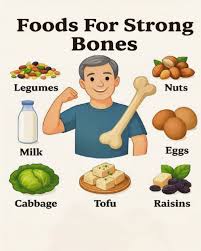
1. Milk and Dairy Products
Milk, yogurt, and cheese are among the most familiar calcium-rich foods.
Calcium provides the mineral component that gives bones much of their hardness and strength. Dairy products can also provide protein and, depending on the product, other nutrients that support overall health.
For teenagers and adults who tolerate dairy well, including milk or yogurt as part of a balanced diet can be an easy way to increase calcium intake.
Greek yogurt, for example, can provide protein as well as calcium, making it a useful option for people who want to support both muscle and bone health.
2. Fatty Fish
Fatty fish such as salmon, sardines, and mackerel are valuable foods for bone health.
They provide high-quality protein and, depending on the fish, vitamin D and healthy fats.
Sardines and canned salmon with edible bones are particularly interesting because the small bones are naturally rich in calcium.
Vitamin D is important because it helps the body absorb calcium efficiently. This makes vitamin D-rich foods a useful addition to a diet focused on skeletal health.
3. Eggs
Eggs are a convenient source of high-quality protein and contain several vitamins and minerals.
Protein is important for the structural framework of bones and is also essential for maintaining muscle mass.
Egg yolks contain vitamin D, although the amount is relatively modest compared with some other sources.
Including eggs as part of a varied diet can therefore contribute to overall nutritional support for growing children, teenagers, and adults.
Read more: The Role of Sleep in Height Growth and Bone Health
4. Leafy Green Vegetables
Green vegetables such as kale, bok choy, and collard greens can provide calcium along with other important nutrients.
Vegetables are also rich in vitamins, minerals, fiber, and antioxidants that support overall health.
However, the calcium content and absorption vary between different vegetables.
For example, calcium from kale and bok choy is relatively well absorbed, while certain vegetables such as spinach contain compounds that can reduce calcium absorption.
This doesn’t mean spinach is unhealthy. It simply means that it should not be considered your primary calcium source.
5. Tofu and Soy Foods
Calcium-set tofu can be an excellent source of calcium, particularly for people who avoid dairy products.
Soy foods can also provide protein, making them useful for people following plant-based diets.
When choosing tofu, check the nutrition label because calcium content can vary significantly depending on how the tofu was processed.
Fortified soy milk can also provide calcium and vitamin D, depending on the product.
6. Nuts and Seeds
Almonds, sesame seeds, chia seeds, and other nuts and seeds can contribute calcium, magnesium, protein, and healthy fats.
They are especially useful as additions to meals rather than as the sole source of calcium.
For example, chia seeds can be added to yogurt or oatmeal, while sesame seeds can be incorporated into salads, sauces, or other dishes.
Because nuts and seeds can be calorie-dense, reasonable portions are generally appropriate.
7. Beans and Lentils
Beans and lentils provide plant-based protein and several minerals that contribute to a balanced diet.
Some varieties also contain meaningful amounts of calcium.
They are particularly valuable for people who eat little or no meat because they provide protein while also contributing fiber and other nutrients.
Combining legumes with vegetables, whole grains, and calcium-rich foods can create a well-rounded meal that supports overall nutrition.
8. Fortified Foods
Fortified foods can be particularly useful when dietary intake is limited.
Some plant-based milks, cereals, and other products are fortified with calcium and vitamin D.
For people who do not consume dairy, fortified soy milk or another calcium-fortified alternative can help provide nutrients that might otherwise be difficult to obtain.
Always check the nutrition label because fortification levels vary between brands and products.
9. Fruits and Vegetables for Overall Nutrition
Fruits and vegetables may not always be major sources of calcium, but they still play an important role in a healthy diet.
A variety of colorful fruits and vegetables provides vitamin C, potassium, magnesium, folate, antioxidants, and other compounds that support overall health.
A bone-friendly diet should therefore not focus exclusively on calcium.
The goal is to create a balanced nutritional pattern that provides all the nutrients the body needs.
10. Protein-Rich Foods
Protein deserves special attention because bones are not made entirely of minerals.
The organic framework of bone contains collagen and other proteins. Protein is also essential for maintaining the muscles that support the skeleton.
Good protein sources include fish, eggs, poultry, lean meat, dairy products, tofu, beans, lentils, and other legumes.
For growing teenagers, consuming enough protein is particularly important because the body is building new tissues throughout development.
Adults also benefit from adequate protein because maintaining muscle strength becomes increasingly important with age.
Why Vitamin D Should Be Part of Your Diet
Eating calcium-rich foods is only part of maintaining strong bones.
Vitamin D helps the body absorb calcium through the digestive system. Without adequate vitamin D, calcium absorption may be reduced.
Vitamin D can come from sunlight exposure, certain foods, fortified products, and supplements when appropriate.
Fatty fish and egg yolks provide dietary vitamin D, while fortified milk and plant-based beverages may provide additional amounts.
If you’re concerned about your vitamin D status, a healthcare professional can help determine whether testing or supplementation is appropriate.
Don’t Forget Magnesium
Magnesium is another mineral involved in normal bone metabolism.
Foods such as nuts, seeds, legumes, whole grains, and leafy green vegetables can contribute magnesium to the diet.
Rather than taking a single-nutrient approach, eating a variety of whole foods helps ensure that the body receives multiple nutrients that work together.
Calcium and Protein: A Powerful Combination
Calcium and protein have different functions, but both are important for healthy bones.
Calcium contributes to the mineral structure of bone, while protein provides part of its organic framework and supports the muscles surrounding the skeleton.
This is why a meal containing both calcium and protein can be a particularly useful choice.
For example, yogurt with chia seeds and fruit provides calcium, protein, and several other nutrients in one simple meal.
What About Foods That May Reduce Calcium Absorption?
Some foods contain compounds that can interfere with mineral absorption.
Oxalates and phytates, for example, can bind minerals and reduce their absorption to some degree.
However, this does not mean you should avoid foods containing these compounds.
Spinach, beans, whole grains, nuts, and seeds remain nutritious foods and can absolutely be part of a healthy diet.
The key is dietary variety. Instead of relying on one food for calcium, consume calcium from multiple sources throughout the day.
A Simple Bone-Friendly Daily Meal Plan
Creating a bone-friendly diet doesn’t need to be complicated.
For breakfast, you might choose yogurt with oats, chia seeds, and fruit. This combination can provide calcium, protein, fiber, and other nutrients.
For lunch, a meal containing salmon or tofu with vegetables and whole grains can provide protein, minerals, and healthy fats.
For a snack, a small portion of almonds or a glass of fortified soy milk can add additional nutrients.
Dinner could include lean protein, leafy green vegetables, tofu or beans, and a source of whole grains.
The exact foods are less important than maintaining variety and consistently meeting your nutritional needs.

Can Food Alone Make You Taller?
This is an important distinction.
No specific food can make an adult several centimeters taller after the growth plates have closed.
Similarly, eating large amounts of calcium-rich foods will not automatically increase height.
For children and teenagers who are still growing, however, adequate nutrition helps support normal skeletal development and may help them reach their natural genetic potential.
The goal should therefore be healthy growth rather than unrealistic height promises.
What If You Don’t Get Enough Calcium From Food?
Some people struggle to obtain enough calcium from their diet.
This may happen because they avoid dairy, follow a restricted diet, have lactose intolerance, or simply don’t regularly consume calcium-rich foods.
In these situations, a calcium supplement can be a convenient way to help fill nutritional gaps.
Hito Calcium can be incorporated into a balanced nutritional routine for adults who want a convenient source of supplemental calcium.
However, supplements should complement a nutritious diet rather than replace calcium-rich foods entirely.
Food, Exercise, Sleep, and Calcium Work Together
Healthy bones require more than good nutrition.
Regular weight-bearing exercise provides mechanical stimulation for the skeleton. Adequate sleep supports recovery and normal physiological processes. Calcium and other nutrients provide the raw materials needed to maintain bone tissue.
For teenagers, these factors can help create a healthy environment for normal growth and development.
For adults, the same habits help maintain bone strength, muscle function, posture, and long-term mobility.
A comprehensive approach is therefore much more effective than relying on one food or supplement.
Read more: Best Exercises to Support Height and Bone Health in Adults
The Bottom Line
The best foods for supporting height development and strong bones are not limited to one particular nutrient.
Calcium-rich foods such as dairy products, calcium-set tofu, sardines, and fortified foods can provide essential minerals. Protein-rich foods support the structural framework of bone and help maintain strong muscles. Vitamin D, magnesium, and other nutrients contribute to healthy skeletal function.
For children and teenagers, a balanced diet can help support normal growth and the achievement of their natural height potential. For adults, good nutrition helps maintain strong bones even after height growth has ended.
If your daily diet does not provide enough calcium, Hito Calcium can be used as a convenient nutritional supplement alongside a balanced diet, regular exercise, and adequate sleep.
