

 Tiếng Việt
Height is one of the physical characteristics that people often wish they could change. Many adults wonder whether it is still possible to become taller after the age of 18, especially when they discover supplements, exercises, stretching techniques, and nutritional products that claim to support height growth.
One of the most common questions is whether nutrients such as calcium can help adults increase their height. The answer is more complicated than simply saying yes or no. To understand what is realistically possible, it is important to first understand how human height growth works, what happens to the growth plates after puberty, and what role nutrition plays in supporting the skeleton.
How Does Human Height Growth Work?
Human height is primarily determined by the growth of the long bones in the body. During childhood and adolescence, these bones become longer through specialized areas called growth plates, or epiphyseal plates.
Growth plates are made of cartilage and are located near the ends of long bones. During the growing years, new cartilage cells are produced in these areas. The cartilage gradually becomes mineralized and is replaced by bone, allowing the bones to lengthen and the body to become taller.
This process is influenced by several factors, including genetics, hormones, nutrition, physical activity, sleep, and overall health. Genetics plays a particularly important role in determining a person’s potential height, while lifestyle and nutrition help the body reach that potential.
What Happens to Growth Plates After Puberty?
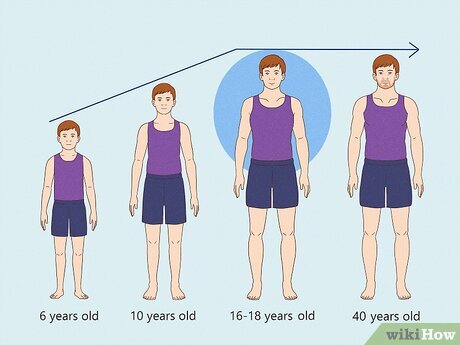
As puberty progresses, hormonal changes cause the growth plates to gradually mature and eventually close. Once a growth plate has completely fused, the corresponding bone can no longer naturally increase in length.
For most people, growth plate closure occurs during the late teenage years or early twenties. The timing varies between individuals and is generally influenced by biological sex, genetics, and the timing of puberty.
This is why an adult whose growth plates have already closed cannot normally become several centimeters taller simply by taking calcium or another nutritional supplement. The supplement may support bone health, but it cannot reopen a fused growth plate.
Can Adults Still Increase Their Height?
For most adults with closed growth plates, natural skeletal height growth is no longer possible. However, this does not mean that adults cannot improve the way they look or feel in relation to their height.
Posture, muscle strength, spinal alignment, and body composition can influence how tall a person appears. Someone who has poor posture and tends to slouch may appear shorter than someone with stronger core and back muscles who maintains an upright posture.
Improving posture does not actually lengthen the bones, but it can help a person stand at their natural full height and create a taller, more confident appearance.
Daily height can also fluctuate slightly. The spine becomes compressed throughout the day because of gravity and normal physical activity, so people are often slightly taller after waking up than later in the evening. This is a temporary change rather than permanent growth.
Read more: The Relationship Between Calcium, Vitamin D3, and K2: Why These Nutrients Work Better Together
What Role Does Calcium Play in Height?
Calcium is essential for normal bone development, particularly during childhood and adolescence. It provides one of the primary minerals required for bone mineralization and helps build a strong skeletal structure.
During periods of active growth, insufficient calcium intake can make it more difficult for the body to maintain optimal bone development. This is why children and teenagers need adequate calcium as part of a balanced diet.
However, calcium should not be considered a substance that directly makes bones longer. Instead, it provides nutritional support for normal skeletal development.
For teenagers whose growth plates are still open, meeting calcium requirements can help support healthy bone development and contribute to reaching their natural genetic growth potential. For adults, calcium remains important, but its primary role is maintaining bone strength and density rather than increasing bone length.
Calcium Is Only One Part of the Equation
Healthy skeletal development depends on much more than calcium alone. The body needs a variety of nutrients to build and maintain healthy bones.
Vitamin D is particularly important because it helps the body absorb calcium efficiently. Without sufficient vitamin D, the amount of calcium absorbed from food may be reduced.
Protein also plays an important role because bones contain a protein-based structural framework in addition to minerals. Magnesium contributes to normal bone metabolism, while vitamin K is involved in the activation of proteins associated with bone health.
For this reason, focusing exclusively on calcium is not the most effective approach to supporting skeletal health. A balanced nutritional strategy is much more appropriate.
Can Nutrition Help You Reach Your Maximum Height?
Nutrition cannot change your genetic height potential, but adequate nutrition can help ensure that your body has the resources necessary for normal development.
During childhood and adolescence, inadequate nutrition may interfere with normal growth. Consuming sufficient calories, protein, calcium, vitamin D, and other essential nutrients helps create the conditions required for healthy skeletal development.
Sleep is also important during the growing years. Growth hormone secretion is strongly associated with sleep, particularly deep sleep. Teenagers who consistently sleep too little may therefore be compromising an important part of their overall health and development.
Regular physical activity is another important factor. Activities such as running, jumping, sports, and resistance exercises support muscle development and healthy bones.
What About Height Supplements for Adults?
The adult height supplement market has grown rapidly, with many products marketed toward people who want to become taller after adolescence.
Consumers should be careful when evaluating these claims.
A nutritional supplement cannot reopen closed growth plates or make adult long bones dramatically longer. Claims promising rapid or guaranteed height increases should therefore be treated with skepticism.
However, nutritional supplements can have a legitimate role when they are used to help address nutritional gaps. For adults who do not consume enough calcium through their diet, a calcium supplement can provide a convenient way to increase calcium intake and support normal bone maintenance.
The key is understanding what a supplement can realistically do. Its value should be measured by its nutritional contribution and its ability to support overall bone health rather than unrealistic promises of dramatic height increases.
How Can Adults Support Their Bone Health?
Although adults cannot normally lengthen their bones after growth plate closure, maintaining strong bones remains extremely important.
A balanced diet containing adequate calcium, protein, vitamin D, magnesium, and other essential nutrients provides the foundation for healthy bones. Regular weight-bearing exercise can also help maintain bone density and muscular strength.
Good posture is another practical area to focus on. Strengthening the core, back, and lower-body muscles can help support a more upright posture and may make a person appear taller.
Adequate sleep, avoiding smoking, limiting excessive alcohol consumption, and maintaining a healthy body weight can also contribute to long-term skeletal health.

Can Calcium Make You Taller After 18?
This is one of the most searched questions surrounding calcium supplements and adult height.
The answer depends on whether the growth plates are still open.
If an individual is still undergoing natural skeletal growth, adequate calcium intake can support normal bone development. However, if the growth plates have already closed, calcium cannot make the long bones longer.
This distinction is extremely important because it separates legitimate nutritional support from unrealistic marketing claims.
Calcium should therefore be viewed as a nutrient for healthy bones and normal development, rather than a guaranteed height-increasing ingredient.
Read more: How to Maximize Calcium Absorption Naturally: 10 Science-Backed Tips
What Should Adults Focus on Instead?
For adults who have finished growing, the goal should shift from trying to increase skeletal height to maintaining strong bones and an active body.
Adequate calcium intake is particularly important because bone remodeling continues throughout adulthood. The body constantly breaks down old bone and replaces it with new tissue, meaning that skeletal health requires ongoing nutritional support.
Adults can also focus on posture, flexibility, strength training, and maintaining a healthy body composition. These factors can influence physical appearance and help people make the most of their natural height.
Most importantly, adults should be wary of products that promise dramatic height increases without scientific support.
The Bottom Line
Can adults still grow taller after 18? In most cases, natural height growth becomes very limited once the growth plates have closed. Calcium supplements cannot reopen closed growth plates or make adult bones significantly longer.
Nevertheless, calcium remains an essential nutrient for adults. It helps maintain bone mineral density, supports skeletal strength, and contributes to healthy muscle and nerve function.
For teenagers who are still growing, adequate calcium, vitamin D, protein, sleep, exercise, and overall nutrition can help support normal development and the achievement of their natural growth potential.
For adults, the smarter approach is to focus on maintaining strong bones, improving posture, staying physically active, and meeting daily nutritional needs. A well-balanced calcium supplement such as Hito Calcium can be part of that strategy when dietary calcium intake is not sufficient.
The goal should not be unrealistic promises of gaining several inches overnight. Instead, the focus should be on giving your body the nutritional support it needs to stay strong, healthy, and active throughout life.
