

 Tiếng Việt
Getting enough calcium is essential for maintaining strong bones and healthy teeth. However, simply consuming calcium isn’t always enough. Your body must also be able to absorb and use that calcium efficiently. Many adults consume calcium-rich foods or take supplements without realizing that certain lifestyle habits, nutrients, and even meal timing can significantly affect how much calcium their bodies actually absorb.
So, how can you maximize calcium absorption naturally? In this guide, we’ll explain how calcium absorption works, what factors influence it, and practical strategies to help your body make the most of every milligram of calcium you consume.
Why Calcium Absorption Matters
Calcium plays a vital role in:
- Building and maintaining strong bones
- Supporting healthy teeth
- Muscle contraction
- Nerve communication
- Heart function
- Blood clotting
Although calcium is essential, your body does not absorb 100% of the calcium you consume.
The amount absorbed depends on several factors, including:
- Age
- Vitamin D levels
- Overall health
- Dietary habits
- The type of calcium consumed
Improving calcium absorption helps ensure your body receives the nutrients it needs for optimal bone health.

1. Get Enough Vitamin D
Vitamin D is one of the most important nutrients for calcium absorption. It helps your intestines absorb calcium from food and supplements. Without adequate vitamin D, your body may absorb only a limited amount of dietary calcium.
Good Sources of Vitamin D
- Safe sunlight exposure
- Salmon
- Tuna
- Egg yolks
- Fortified milk
- Fortified cereals
- Vitamin D supplements (when recommended)
For many adults, maintaining healthy vitamin D levels is one of the most effective ways to improve calcium absorption.
2. Include Vitamin K2 in Your Diet
Vitamin K2 works alongside calcium and vitamin D. Once calcium has been absorbed, vitamin K2 helps direct it into bones and teeth, where it is needed most. It also supports healthy calcium distribution throughout the body.
Common dietary sources include:
- Fermented foods
- Certain cheeses
- Egg yolks
Many bone health supplements combine calcium, vitamin D3, and vitamin K2 because they work synergistically.
Xem thêm: What Happens When Adults Don’t Get Enough Calcium?
3. Spread Calcium Intake Throughout the Day
Your body absorbs moderate amounts of calcium more efficiently than very large doses.
Instead of taking your entire daily calcium intake at once, consider dividing it into smaller portions throughout the day.
For example:
- Morning
- Lunch
- Evening
This may improve overall calcium utilization.
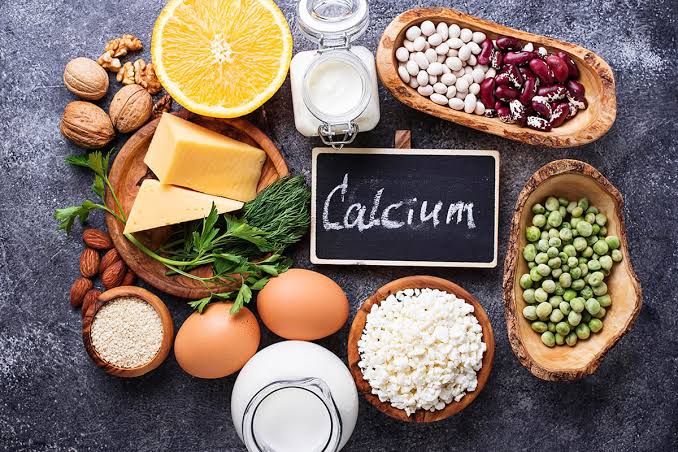
4. Choose Calcium-Rich Foods
Food remains one of the best ways to obtain calcium.
Excellent dietary sources include:
Dairy Products
- Milk
- Yogurt
- Cheese
Fish
- Sardines
- Canned salmon with edible bones
Vegetables
- Kale
- Bok choy
- Collard greens
Plant-Based Options
- Calcium-set tofu
- Fortified soy milk
- Fortified almond milk
Nuts and Seeds
- Almonds
- Sesame seeds
- Chia seeds
A varied diet provides calcium along with many other nutrients that support bone health.
5. Get Enough Protein
Protein is often overlooked when discussing bone health.
Bones are made of both minerals and protein.
Adequate protein intake supports:
- Bone structure
- Muscle strength
- Tissue repair
Choose high-quality protein sources such as:
- Fish
- Eggs
- Poultry
- Dairy
- Beans
- Lentils
A balanced diet supports healthy bones more effectively than focusing on calcium alone.
6. Stay Physically Active
Exercise stimulates bone remodeling.
Weight-bearing activities encourage bones to remain strong and healthy.
Examples include:
- Walking
- Hiking
- Dancing
- Running
- Tennis
- Strength training
Regular physical activity also improves muscle strength and balance.
7. Limit Excess Sodium
Very high sodium intake may increase calcium loss through urine.
Simple ways to reduce sodium include:
- Limiting processed foods
- Cooking more meals at home
- Reading nutrition labels
- Choosing fresh ingredients whenever possible
Moderate sodium intake supports overall health and calcium balance.
8. Moderate Caffeine Intake
Caffeine does not need to be completely avoided.
However, consuming excessive amounts may slightly reduce calcium retention in some individuals.
Moderation is generally recommended.
If you regularly drink coffee or tea, maintaining adequate calcium intake becomes even more important.
9. Avoid Smoking and Excessive Alcohol
Lifestyle habits significantly affect bone health.
Smoking
Smoking has been associated with:
- Lower bone density
- Reduced bone formation
- Slower healing
Excessive Alcohol
Heavy alcohol consumption may interfere with normal bone remodeling and nutrient metabolism.
Limiting these habits supports long-term skeletal health.
10. Choose High-Quality Calcium Supplements When Needed
Not everyone needs calcium supplements.
However, supplementation may be helpful for adults who:
- Consume little dairy
- Follow vegan diets
- Have lactose intolerance
- Have increased calcium requirements
- Are advised by healthcare professionals
When selecting a supplement, look for formulas that include:
- Calcium
- Vitamin D3
- Vitamin K2
- Magnesium
- Zinc
These nutrients work together to support calcium absorption and healthy bones.
Foods That May Affect Calcium Absorption
Some foods contain compounds that can reduce calcium absorption when consumed in large amounts.
Oxalates
Found in:
- Spinach
- Beet greens
- Swiss chard
Although these vegetables are nutritious, not all of their calcium is easily absorbed.
Phytates
Present in:
- Whole grains
- Legumes
- Nuts
Phytates may reduce mineral absorption to some extent, although soaking, sprouting, and cooking can help lower phytate levels.
These foods are still healthy and should remain part of a balanced diet.
Common Myths About Calcium Absorption
Myth 1: More Calcium Is Always Better
Not necessarily.
Meeting your daily requirement is generally more beneficial than consuming excessive amounts.
Myth 2: Supplements Are Better Than Food
Whole foods provide calcium along with protein, vitamins, minerals, and other beneficial nutrients.
Supplements should complement—not replace—a healthy diet.
Xem thêm: Can Calcium Supplements Help You Grow Taller? What Science Really Says
Myth 3: Adults No Longer Need Calcium
Bone remodeling continues throughout adulthood.
Calcium remains essential at every stage of life.
Healthy Daily Habits for Strong Bones
To maximize calcium absorption and support lifelong bone health:
- Eat calcium-rich foods every day.
- Maintain healthy vitamin D levels.
- Include vitamin K2 in your diet.
- Exercise regularly.
- Eat enough protein.
- Avoid smoking.
- Limit excessive alcohol.
- Moderate sodium intake.
- Stay physically active.
- Use supplements when dietary intake is insufficient.
Small daily habits can have a lasting impact on your skeletal health.
The Bottom Line
Calcium is only beneficial if your body can absorb and use it effectively. Fortunately, there are many natural ways to improve calcium absorption, including getting enough vitamin D, eating a balanced diet, staying physically active, and maintaining healthy lifestyle habits.
When dietary intake falls short, a high-quality supplement containing calcium, vitamin D3, vitamin K2, and other supportive nutrients can help fill nutritional gaps and support healthy bones.
By combining smart nutrition with healthy daily habits, you can maximize calcium absorption naturally and build a strong foundation for lifelong bone health.
