

 Tiếng Việt
When it comes to building strong bones and maintaining long-term skeletal health, two nutrients are mentioned more than any others: calcium and vitamin D. Many people wonder which one is more important. Should you focus on increasing your calcium intake? Or is vitamin D the real key to healthy bones?
The truth is that these nutrients are not competitors—they are partners. Calcium and vitamin D work together to support bone development, maintain bone density, and keep your body functioning properly. In this article, we’ll explain the roles of calcium and vitamin D, how they work together, and why both are essential for lifelong bone health.
Understanding Calcium
Calcium is the most abundant mineral in the human body. Approximately 99% of your body’s calcium is stored in your bones and teeth, providing the structure and strength that keep your skeleton healthy.
The remaining 1% is used for important bodily functions, including:
- Muscle contraction
- Nerve communication
- Blood clotting
- Heart function
- Hormone release
Because calcium is involved in so many critical processes, your body carefully regulates calcium levels in the bloodstream. If you don’t consume enough calcium, your body begins drawing it from your bones, which can weaken them over time.
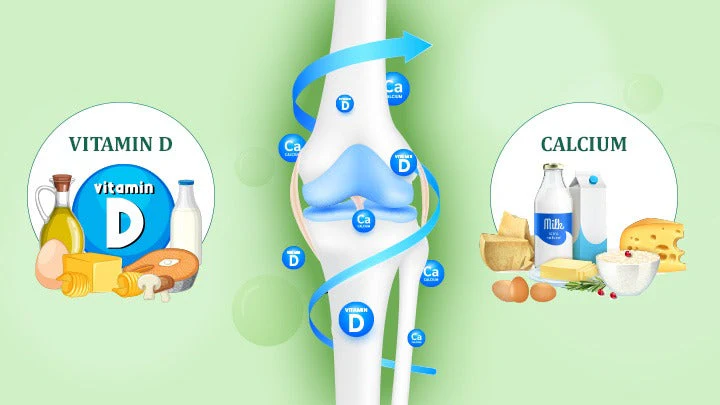
What Does Vitamin D Do?
Unlike calcium, vitamin D is not a mineral—it’s a fat-soluble vitamin that plays a vital role in calcium metabolism. Its primary job is to help your body absorb calcium from the foods you eat. Without enough vitamin D, your digestive system absorbs far less calcium, even if your diet contains plenty of it.
Vitamin D also helps:
- Maintain normal blood calcium levels
- Support bone mineralization
- Promote healthy muscle function
- Support immune health
In other words, vitamin D helps your body make the most of the calcium you consume.
Xem thêm: Signs You May Not Be Getting Enough Calcium: 10 Warning Symptoms You Shouldn’t Ignore
Why Calcium Alone Isn’t Enough
Imagine building a house.
Calcium is the bricks.
Vitamin D is the construction crew that delivers those bricks to the building site.
Without the crew, the bricks never reach the right place.
Similarly, without enough vitamin D, calcium absorption decreases significantly.
This means your body may struggle to maintain healthy bones despite consuming calcium-rich foods.
Why Vitamin D Alone Isn’t Enough
Vitamin D cannot build bones by itself.
If your diet lacks calcium, vitamin D has little calcium available to absorb.
Think of vitamin D as a key.
A key is useful only if there is something valuable to unlock.
Without adequate calcium intake, vitamin D cannot perform its full role in supporting skeletal health.
That’s why both nutrients are equally important.
How Calcium and Vitamin D Work Together
The relationship between calcium and vitamin D is one of the best examples of nutritional teamwork.
Calcium
Provides the raw material needed to build and maintain bones.
Vitamin D
Helps your body absorb and utilize that calcium efficiently.
Together they support:
- Bone growth during childhood
- Peak bone mass in young adults
- Bone density throughout adulthood
- Healthy muscle function
- Long-term mobility
Neither nutrient performs optimally without the other.
The Role of Vitamin K2
In recent years, researchers have highlighted another important nutrient: vitamin K2.
Vitamin K2 helps activate proteins that guide calcium into bones and teeth while helping reduce calcium buildup in soft tissues.
This is why many bone health supplements combine:
- Calcium
- Vitamin D3
- Vitamin K2
These nutrients work together to support healthy calcium metabolism.
What Happens If You Don’t Get Enough Calcium?
Low calcium intake over time may contribute to:
- Reduced bone density
- Bone weakness
- Increased fracture risk
- Muscle cramps
- Fatigue
- Dental problems
Because the body prioritizes maintaining blood calcium levels, it may remove calcium from bones when dietary intake is insufficient.
What Happens If You Don’t Get Enough Vitamin D?
Vitamin D deficiency is surprisingly common worldwide.
Possible consequences include:
- Poor calcium absorption
- Weakened bones
- Muscle weakness
- Increased fall risk
- Reduced bone mineralization
Many people spend most of their time indoors, limiting natural vitamin D production from sunlight.
Best Food Sources of Calcium
Calcium-rich foods include:
Dairy Products
- Milk
- Yogurt
- Cheese
Fish
- Sardines
- Canned salmon with bones
Vegetables
- Kale
- Bok choy
- Broccoli
Fortified Foods
- Plant-based milk
- Breakfast cereals
- Orange juice
Other Sources
- Almonds
- Tofu (calcium-set)
- Sesame seeds
A varied diet helps support adequate calcium intake.
Best Sources of Vitamin D
Vitamin D is naturally found in relatively few foods.
Good sources include:
- Salmon
- Tuna
- Mackerel
- Egg yolks
- Fortified milk
- Fortified cereals
Your skin also produces vitamin D when exposed to sunlight. However, factors such as sunscreen use, darker skin pigmentation, aging, and limited outdoor time can reduce vitamin D production.
Should You Take Supplements?
Not everyone requires supplements.
However, supplementation may be beneficial if:
- Your dietary calcium intake is low.
- You rarely get sunlight.
- You have increased nutritional needs.
- Your healthcare provider recommends supplementation.
Many experts recommend choosing supplements that combine calcium with vitamin D3 for better absorption. Products that also include vitamin K2 may provide additional support for healthy calcium utilization.
Healthy Habits for Strong Bones
Nutrition is only one part of maintaining healthy bones.
You can also support skeletal health by:
Exercising Regularly
Weight-bearing exercises stimulate bone remodeling.
Getting Enough Sleep
Quality sleep supports recovery and overall wellness.
Avoiding Smoking
Smoking has been linked to reduced bone density.
Limiting Excessive Alcohol
Heavy alcohol consumption may negatively affect bone health.
Eating a Balanced Diet
A diet rich in fruits, vegetables, lean protein, and healthy fats provides additional nutrients that support bone health.
Xem thêm: Why Calcium Matters for Bone Strength and Height
Calcium vs. Vitamin D: Which Is More Important?
So which nutrient wins?
The answer is simple:
Neither.
Calcium and vitamin D are equally important because they perform different but complementary roles.
- Calcium provides the building material for bones.
- Vitamin D helps your body absorb and use that calcium effectively.
Without calcium, bones lack essential minerals. Without vitamin D, your body cannot efficiently absorb the calcium you consume. For optimal bone health, both nutrients should be part of your daily routine.
The Bottom Line
Healthy bones require more than just one nutrient. Calcium and vitamin D work together to support bone strength, maintain bone density, and promote lifelong skeletal health. Whether you’re a growing teenager, an active adult, or someone looking to support healthy aging, getting enough of both nutrients is one of the best investments you can make for your future. A balanced diet, regular exercise, sensible sun exposure, and high-quality supplements when needed can help you build a stronger foundation for lifelong bone health.
