

 Tiếng Việt
More adults are choosing to eat less meat and dairy, whether for health, environmental, or personal reasons. Plant-based eating can offer many benefits, including higher intake of fiber, antioxidants, and healthy fats.
However, one common question remains: can you build and maintain strong bones without dairy?
The answer is yes, but it requires some planning. Dairy products are a convenient source of calcium in many diets, so removing them means you need to find reliable alternatives. This article explains which nutrients deserve special attention and how to build a bone-friendly plant-based diet.
1. Why Plant-Based Eaters Need to Pay Attention to Bones
Research comparing different dietary patterns has found that people following strict vegan diets, on average, tend to have lower calcium intake. Some studies also suggest a higher risk of fractures in vegans with low calcium intake compared with people who eat meat or dairy.
This does not mean plant-based diets are harmful to bones. It means that a poorly planned plant-based diet can leave gaps. When calcium, vitamin D, and protein intake are adequate, plant-based eaters can support healthy bones just as effectively.
2. Calcium: Choosing the Right Plant Sources
Many plant foods contain calcium, but the amount your body can absorb varies widely.
Well-absorbed sources
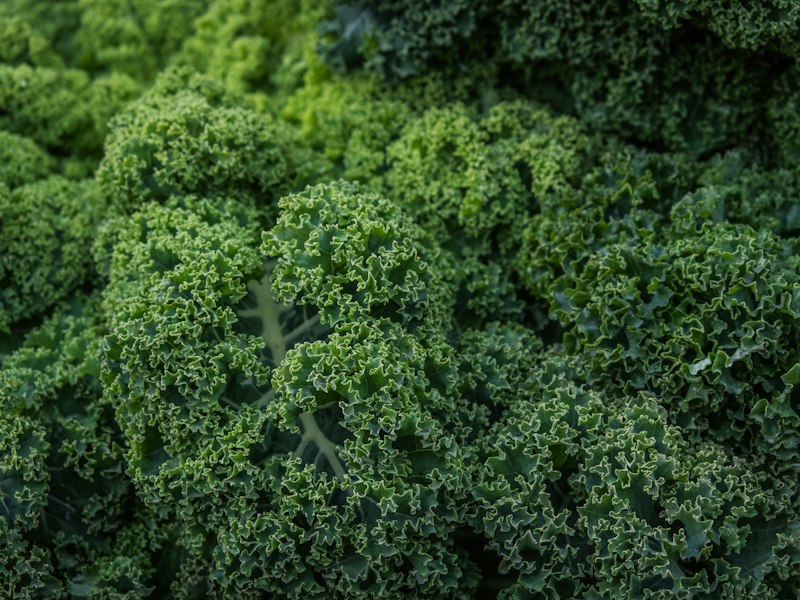
Low-oxalate leafy greens: kale, bok choy, Chinese cabbage, collard greens, and broccoli. Calcium from these vegetables is absorbed quite efficiently.
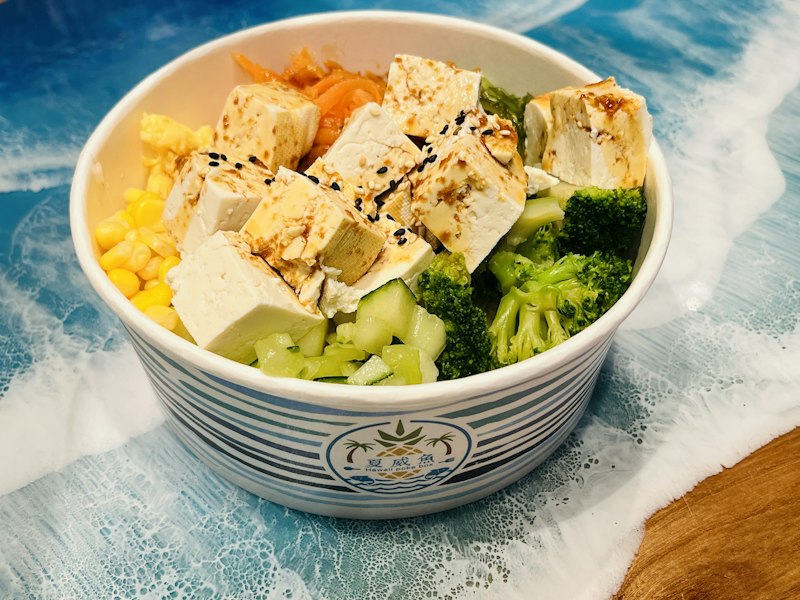
Calcium-set tofu: tofu made with calcium sulfate can be one of the richest plant sources. Check the ingredients list for “calcium sulfate”.
Fortified plant milks and yogurts: many soy, oat, and almond beverages are fortified to levels similar to cow’s milk. Shake the carton well, because added calcium can settle at the bottom.
Moderate sources
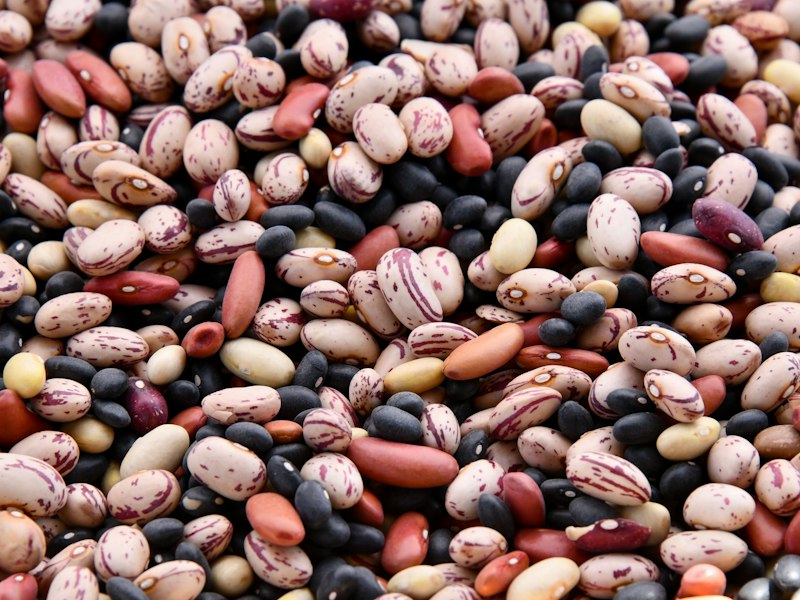
White beans, chickpeas, and other legumes
Almonds and tahini (sesame paste)
Chia seeds
Dried figs and oranges
Sources with lower availability
Spinach, Swiss chard, and beet greens contain plenty of calcium, but they are also high in oxalates. Oxalates bind to calcium and significantly reduce how much the body can absorb. These vegetables are still nutritious, but they should not be relied on as your main calcium source.
To learn more about absorption, read our article How to Maximize Calcium Absorption Naturally.
3. Vitamin D: Often the Bigger Challenge
Very few foods naturally contain vitamin D, and most of them, such as fatty fish and egg yolks, are animal products. Plant-based eaters therefore depend more on sunlight, fortified foods, and supplements.
Some useful options include:
Fortified plant milks and breakfast cereals
Mushrooms exposed to ultraviolet light, which can contain meaningful amounts of vitamin D2
Vegan vitamin D3 supplements derived from lichen
Without enough vitamin D, the body cannot absorb calcium efficiently, regardless of how much calcium you consume.
4. Protein: An Underrated Bone Nutrient
Bone is not made of minerals alone. Around one third of bone mass consists of a protein framework, mainly collagen, that gives bones flexibility and resilience.
Adequate protein intake supports this framework and helps maintain the muscle strength needed to protect bones and prevent falls. Good plant protein sources include:
Tofu, tempeh, and edamame
Lentils, beans, and peas
Nuts, seeds, and nut butters
Whole grains such as quinoa and oats
Combining different protein sources throughout the day helps ensure a complete range of amino acids.
5. Other Nutrients to Watch
Vitamin K: abundant in leafy greens, it helps direct calcium into bone. Plant eaters usually get plenty of vitamin K1.
Magnesium: found in nuts, seeds, legumes, and whole grains, it is typically well supplied in plant-based diets. Read more: Magnesium and Bone Health: The Overlooked Mineral Behind Strong Bones
Vitamin B12: essential for overall health and linked to bone health in some studies. It must be obtained from fortified foods or supplements on a vegan diet.
Omega-3 fats: flaxseed, chia, and walnuts provide plant-based omega-3s, which may support overall bone and joint health.
6. Phytates and Oxalates: Should You Worry?
Phytates in whole grains and legumes, and oxalates in some vegetables, can reduce mineral absorption. This does not mean you should avoid these healthy foods.
Simple preparation methods can reduce their effect:
Soaking and cooking beans and lentils
Choosing sprouted grains or sourdough bread
Rotating different vegetables rather than eating only high-oxalate greens
7. A Sample Bone-Friendly Plant-Based Day
Breakfast: oatmeal made with fortified soy milk, topped with chia seeds and sliced figs
Lunch: stir-fried calcium-set tofu with bok choy, broccoli, and brown rice
Snack: a handful of almonds and an orange
Dinner: chickpea and white bean stew with kale, served with whole-grain bread
This kind of day can provide a substantial portion of daily calcium needs, along with protein, magnesium, and vitamin K.
8. When Supplements May Help
If your diet consistently falls short of calcium targets, a supplement may be useful. Vitamin D supplementation is often recommended for plant-based eaters, especially those with limited sun exposure. Before choosing a product, review our guide on how to choose the right calcium supplement for adults, and consider discussing your needs with a healthcare professional.
Conclusion
A plant-based diet can fully support strong, healthy bones, but it does require thoughtful choices. Focus on well-absorbed calcium sources such as calcium-set tofu, fortified plant milks, and low-oxalate greens. Pay special attention to vitamin D and protein, and do not forget regular weight-bearing exercise.
With good planning, you can enjoy the benefits of plant-based eating while protecting your skeleton for years to come.
This article is for general informational purposes only and does not replace professional medical advice.
