

 Tiếng Việt
Getting enough calcium is important for maintaining strong bones and supporting overall health. However, simply consuming calcium-rich foods or taking a calcium supplement does not tell the whole story.
Your body also needs to absorb and utilize calcium effectively.
Several factors can influence calcium absorption, including vitamin D status, the type of calcium you consume, meal timing, dietary habits, and overall health. Understanding these factors can help you get more value from the calcium already present in your diet.
For adults who use calcium supplements, learning how to support calcium absorption can also make daily supplementation more effective as part of a balanced lifestyle.
What Is Calcium Absorption?
Calcium absorption is the process through which calcium moves from your digestive system into your bloodstream.
After you eat calcium-containing foods or take a calcium supplement, the mineral passes through the digestive tract. A portion is absorbed through the intestinal wall and then becomes available for the body to use.
However, the body does not absorb 100% of the calcium consumed.
The amount absorbed can vary depending on age, vitamin D status, the type of calcium source, the amount consumed at one time, and other dietary factors.
This is why the goal should not simply be to consume more calcium. It is also important to create conditions that allow your body to use the calcium effectively.
Vitamin D Is One of the Most Important Factors
Vitamin D plays a central role in calcium absorption.
It helps regulate the proteins involved in transporting calcium across the intestinal wall and into the bloodstream.
If vitamin D levels are inadequate, calcium absorption may be reduced.
This is one reason calcium and vitamin D are frequently combined in bone-health supplements.
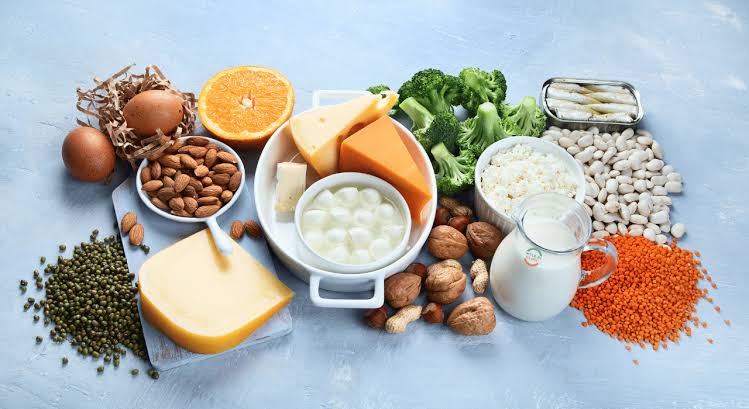
You can obtain vitamin D through sensible sunlight exposure, foods such as fatty fish and egg yolks, fortified foods, and supplements when appropriate.
However, more vitamin D is not necessarily better. The goal is to maintain an appropriate level rather than consume excessive amounts.
Get Enough Vitamin D Through Your Lifestyle
Spending some time outdoors can help the body produce vitamin D through sunlight exposure.
However, the amount of vitamin D produced depends on many factors, including geographic location, season, skin pigmentation, clothing, age, and sunscreen use.
Because excessive ultraviolet exposure can damage the skin, sunlight should not be treated as the only strategy for maintaining vitamin D status.
Dietary sources and fortified foods can also contribute.
If you are concerned about vitamin D deficiency, a healthcare professional can advise whether testing or supplementation is appropriate.
Read more: How to Choose the Right Calcium Supplement for Adults: A Complete Guide
Choose the Right Type of Calcium Supplement
Not all calcium supplements contain the same form of calcium.
The two most common forms are calcium carbonate and calcium citrate.
Calcium carbonate contains a relatively high percentage of elemental calcium and is generally recommended to be taken with food.
Calcium citrate contains less elemental calcium per gram but can be absorbed well and generally does not require food for absorption.
Neither form is universally superior.
The best choice depends on the individual, the formulation, digestive tolerance, dietary habits, and specific nutritional needs.
Understand Elemental Calcium
One of the most important details on a calcium supplement label is the amount of elemental calcium.
A calcium compound may contain calcium combined with another substance. The nutritional value of the supplement is based on the amount of actual elemental calcium it provides.
For example, a label may list calcium carbonate as an ingredient while separately stating how much elemental calcium is provided per serving.
When comparing different products, look at the elemental calcium amount rather than simply comparing the total weight of the calcium compound.
Don’t Take Very Large Amounts at Once
The body has limits on how much calcium it can efficiently absorb at one time.
If a person needs a relatively large amount of supplemental calcium, dividing the intake into smaller amounts may be more appropriate than consuming one very large dose.
This is particularly relevant for supplements that provide substantial amounts of calcium per serving.
Always follow the recommended dosage on the product label rather than assuming that more calcium will provide greater benefits.
Calcium Carbonate Is Usually Better With Food
If your supplement contains calcium carbonate, taking it with a meal is generally recommended.
Food stimulates stomach acid production, which helps dissolve calcium carbonate and supports its absorption.
This is one reason why following the instructions provided by the manufacturer is important.
Taking a supplement in a way that doesn’t match its formulation may reduce the amount of calcium your body can absorb.
Calcium Citrate Offers More Flexibility
Calcium citrate does not depend as heavily on stomach acid for absorption.
As a result, it can generally be taken with or without food.
This can make calcium citrate a convenient option for certain people, particularly those who have lower stomach acid or digestive issues.
However, individual circumstances differ, so the choice of calcium form should be based on personal needs rather than assuming one form is always better.
Eat Calcium-Rich Foods Regularly
Supplements are useful, but food should remain the foundation of your nutritional strategy.
Regularly consuming calcium-rich foods can help maintain a steady dietary intake.
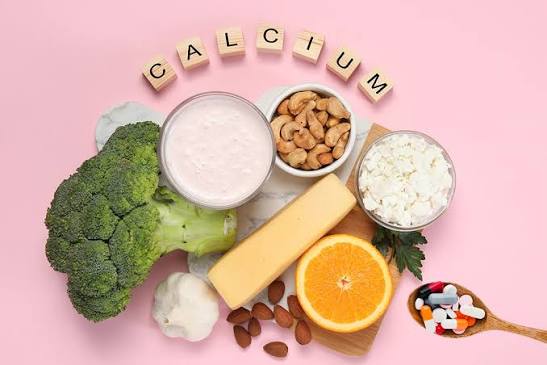
Milk, yogurt, cheese, calcium-set tofu, sardines, canned salmon with edible bones, fortified plant-based beverages, and certain leafy green vegetables are all useful options.
Rather than relying on one food, aim for variety.
A varied diet also provides protein, magnesium, vitamin K, potassium, and other nutrients involved in overall bone health.
Protein Also Matters
Calcium receives most of the attention when people talk about bones, but protein is equally important to a balanced skeletal-health strategy.
Bones contain a collagen-rich protein framework that provides the structure in which minerals are deposited.
Protein also supports the muscles surrounding the skeleton.
Good sources include fish, eggs, poultry, dairy products, tofu, beans, lentils, and other protein-rich foods.
For adults who exercise regularly, sufficient protein also helps support muscle recovery and strength.
Don’t Forget Magnesium
Magnesium is involved in many biological processes, including normal bone metabolism.
Good dietary sources include almonds, pumpkin seeds, chia seeds, legumes, whole grains, and leafy green vegetables.
A varied diet usually provides magnesium without requiring high-dose supplementation.
Instead of focusing on individual nutrients in isolation, think about your overall dietary pattern.
Vitamin K and Bone Health
Vitamin K is involved in activating proteins that play roles in bone metabolism.
Vitamin K2, in particular, is frequently included in nutritional formulas designed to support bone health.
Foods such as fermented soy products and certain cheeses can provide vitamin K2, while leafy green vegetables are important sources of vitamin K1.
A balanced diet can provide vitamin K, while supplementation may be appropriate in certain circumstances.
What Foods Can Interfere With Calcium Absorption?
Certain compounds in food can reduce calcium absorption.
Oxalates and phytates, for example, can bind minerals and make them less available for absorption.
Spinach is a well-known example. Although it contains calcium, much of that calcium is less bioavailable because spinach is relatively high in oxalates.
This does not mean spinach or other foods containing these compounds should be avoided.
It simply means that you should not rely on one particular food as your primary calcium source.
Eating a variety of calcium-rich foods is a more effective strategy.
Should You Avoid Coffee and Tea?
Coffee and tea can be part of a healthy lifestyle, but excessive caffeine intake may have implications for bone health, particularly when dietary calcium intake is already low.
The bigger concern is often what replaces calcium-rich foods.
For example, if someone drinks several caffeinated beverages every day while consuming very little milk, yogurt, fortified alternatives, or other calcium-rich foods, their overall calcium intake may be inadequate.
Moderation and dietary balance are more important than completely eliminating coffee or tea.
What About High-Sodium Foods?
A diet very high in sodium can increase calcium excretion through urine.
This doesn’t mean that normal amounts of dietary salt are dangerous or that you should eliminate sodium completely.
Instead, limiting excessive consumption of highly processed and salty foods can be part of a healthier overall diet.
Choosing more fresh foods, vegetables, fruits, whole grains, and minimally processed protein sources can support better nutritional balance.
Exercise Supports Bone Health
Calcium absorption is only one part of maintaining strong bones.
Physical activity also matters.
Weight-bearing activities such as walking, jogging, dancing, and resistance training place mechanical demands on the skeleton.
This encourages the body to adapt to physical stress and helps support bone strength.
Strength training also develops the muscles that stabilize and support the skeleton.
For adults, combining adequate calcium intake with regular exercise is a much more comprehensive strategy than relying on supplementation alone.
Sleep Is Part of the Bigger Picture
Healthy nutrition works best alongside adequate sleep.
Sleep supports recovery, hormonal regulation, muscle function, and overall health.
Teenagers who are still growing particularly need sufficient sleep to support normal development.
For adults, quality sleep helps maintain the energy and physical recovery necessary to stay active.
Good sleep cannot increase adult skeletal height after growth plate closure, but it remains an important component of a healthy lifestyle.
How Should You Take Hito Calcium?
If you’re using Hito Calcium, follow the serving instructions provided on the product packaging.
Avoid taking more than the recommended amount simply because you believe a higher calcium intake will produce faster results.
The goal of supplementation is to help support an appropriate daily calcium intake.
For the best overall approach, combine supplementation with calcium-rich foods, adequate vitamin D, sufficient protein, regular exercise, and quality sleep.
Read more: Can Calcium Supplements Help You Grow Taller? What Science Says
Can Calcium Absorption Affect Height?
This question is especially relevant for teenagers and adults interested in height growth.
During childhood and adolescence, adequate calcium absorption helps provide the mineral needed for normal skeletal development.
However, calcium absorption does not determine height by itself.
Genetics, hormones, nutrition, sleep, physical activity, and overall health all influence growth.
For adults whose growth plates have closed, improving calcium absorption will support bone health but will not make the long bones longer.
This distinction is important when evaluating claims about calcium and height.
Common Mistakes That May Reduce the Benefits of Calcium
One common mistake is assuming that consuming more calcium automatically means better bone health.
Another is ignoring vitamin D.
Some people also take a large calcium dose all at once when a smaller divided intake may be more appropriate.
Others rely almost entirely on supplements while neglecting their diet, physical activity, and sleep.
A more balanced approach is generally better.
Think of calcium as one part of a larger system rather than a standalone solution.
A Simple Strategy for Better Calcium Absorption
You don’t need a complicated routine to support calcium absorption.
Start by consuming calcium-rich foods regularly. Make sure your diet provides adequate vitamin D and protein. Choose an appropriate calcium supplement if your dietary intake is insufficient.
Pay attention to the instructions for your particular calcium product, especially whether it should be taken with food.
Stay physically active, maintain a healthy lifestyle, and avoid excessive intake of foods or beverages that may negatively affect your overall nutritional balance.
Consistency is more important than trying to optimize every tiny detail.
The Bottom Line
Maximizing calcium absorption is not about taking the highest possible dose of calcium.
It is about giving your body the right conditions to absorb and use calcium effectively.
Adequate vitamin D, a balanced diet, appropriate calcium intake, sufficient protein, regular physical activity, and healthy lifestyle habits all contribute to better bone health.
For adults who don’t consistently get enough calcium through food, Hito Calcium can provide a convenient way to supplement daily calcium intake.
Remember that calcium is essential for strong bones, but it is not a magic solution for increasing adult height. Once growth plates have closed, improving calcium absorption can support skeletal health without making the long bones longer.
The best long-term strategy is simple: eat well, move regularly, sleep enough, and give your body the nutrients it needs every day.
