

 Tiếng Việt
Many people who want to look taller focus on stretching, shoes, clothing, or posture exercises. However, posture is often overlooked even though it can have a significant effect on how tall and confident a person appears.
While calcium cannot make an adult’s bones longer after the growth plates have closed, it plays an important role in maintaining strong bones. Combined with regular exercise and good posture habits, adequate calcium intake can help support the skeletal system and the body’s natural upright position.
So, can calcium improve posture? Can stronger bones make you look taller? And what can adults do to maintain good posture as they age?
Let’s explore the connection between calcium, bone health, posture, and height.
What Is Good Posture?
Good posture means maintaining the body’s natural alignment while standing, sitting, walking, or moving.
When you stand with good posture, your head is positioned over your shoulders, your shoulders are relaxed, your spine maintains its natural curves, and your pelvis is properly aligned.
Poor posture can cause the body to appear shorter. A forward head position, rounded shoulders, or excessive slouching can change the way your body is positioned and make you look less upright.
Improving posture doesn’t actually increase the length of your bones. Instead, it allows you to make better use of your existing height.
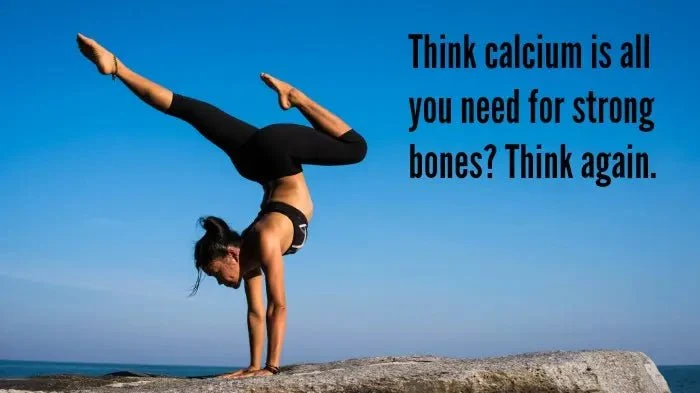
Why Does Posture Matter for Appearance?
Imagine two people who are exactly the same height.
One stands upright with the shoulders relaxed and the head aligned over the spine. The other constantly slouches, with rounded shoulders and a forward head position.
Although their actual skeletal height is identical, the first person may appear noticeably taller.
This is why posture can make such a difference to overall appearance.
For adults who have finished growing, improving posture may be a much more realistic way to look taller than searching for supplements that claim to increase bone length.
What Role Does Calcium Play in Posture?
Calcium does not directly control posture.
However, calcium is essential for maintaining healthy bones. Approximately 99% of the body’s calcium is stored in bones and teeth, where it contributes to their structure and strength.
Strong bones provide the framework that supports the body.
When calcium intake is consistently inadequate, the body can draw calcium from bone tissue to maintain important calcium levels in the bloodstream. Over time, inadequate calcium intake may contribute to lower bone mineral density.
This is one reason maintaining adequate calcium intake throughout adulthood is important.
Read more: The Best Foods for Height Growth and Strong Bones
Strong Bones and a Strong Posture
Posture isn’t controlled by bones alone.
Your muscles, joints, connective tissues, nervous system, and skeleton all work together to keep your body upright.
The spine provides the central structural framework, while muscles around the abdomen, back, hips, and shoulders help stabilize it.
Strong bones combined with healthy muscles provide a better foundation for maintaining good posture.
This means that improving posture requires more than taking calcium. Regular physical activity and strength training are equally important.
Can Poor Bone Health Affect Height?
Bone health can influence physical structure, particularly as people age.
Significant changes in bone density and spinal health may affect posture and physical stature. Certain age-related spinal changes can cause a person to become shorter over time.
This is different from normal childhood height growth.
Instead of the long bones becoming shorter, changes in the spine and vertebral structure can contribute to a reduction in standing height.
Maintaining bone health throughout adulthood is therefore important not only for mobility but also for preserving normal physical function.
The Importance of Calcium for the Spine
The spine is made up of a series of vertebrae that support the upper body and protect the spinal cord.
These bones are constantly exposed to mechanical stress from standing, walking, sitting, and physical activity.
Adequate calcium contributes to normal bone mineralization and helps maintain the strength of the skeletal system.
However, calcium should be considered part of a broader nutritional strategy that includes adequate vitamin D, protein, magnesium, and other essential nutrients.
Vitamin D Helps Calcium Do Its Job
Calcium and vitamin D are closely connected.
Vitamin D helps the intestines absorb calcium from food and supplements. Without enough vitamin D, the body may not efficiently utilize the calcium consumed.
This is why many bone-health strategies focus on both nutrients rather than calcium alone.
Maintaining adequate vitamin D through appropriate sunlight exposure, dietary sources, or supplementation when recommended can help support healthy calcium metabolism.
Vitamin K and Bone Health
Vitamin K is another nutrient involved in bone metabolism.
Vitamin K helps activate proteins involved in bone mineralization and calcium regulation.
Vitamin K2 is particularly common in discussions about bone-health supplements because of its relationship with proteins involved in calcium utilization.
This doesn’t mean that everyone needs a vitamin K2 supplement. A balanced diet remains the foundation of good nutrition, and supplementation should be considered according to individual nutritional needs.
Exercise Is Essential for Good Posture
Nutrition provides the foundation, but exercise helps the body use that foundation effectively.
Strengthening the muscles that support the spine and shoulders can improve postural control.
Exercises such as rows, planks, squats, resistance-band exercises, and controlled back-strengthening movements can help develop the muscles involved in maintaining an upright position.
Regular walking can also help keep the body active and reduce the amount of time spent sitting continuously.
Core Strength and Posture
The core muscles play an important role in stabilizing the body.
A weak core may make it more difficult to maintain good posture during long periods of sitting or standing.
Exercises such as planks, bird dogs, and dead bugs can help strengthen the core without requiring complicated equipment.
The goal isn’t to force the spine into a perfectly straight position. Healthy posture still allows the spine to maintain its natural curves.
Don’t Ignore Your Sitting Position
Modern lifestyles often involve long periods of sitting.
Office workers, students, gamers, and people who spend many hours using smartphones may develop habits that encourage forward head posture and rounded shoulders.
Adjusting your workstation can make a significant difference.
Your screen should be positioned so you don’t constantly need to bend your neck downward. Your feet should be comfortably supported, and your chair should allow you to maintain a relatively neutral position.
Most importantly, remember that movement matters.
Even a good sitting position becomes problematic if you remain completely still for many hours.

Can Stretching Make You Taller?
Stretching can improve flexibility and may temporarily make you feel more upright.
For example, stretching the chest and hip muscles may make it easier to maintain a comfortable standing position.
However, stretching does not lengthen the bones of an adult whose growth plates have closed.
Any temporary increase in measured height after stretching is more likely related to changes in posture or normal spinal compression rather than permanent skeletal growth.
Why You May Be Taller in the Morning
Have you ever noticed that you seem slightly taller when you wake up?
This is normal.
Throughout the day, gravity and physical activity place compressive forces on the spine. The discs between the vertebrae become slightly compressed.
During sleep, the spine is unloaded, allowing the discs to rehydrate and expand somewhat.
As a result, standing height can vary slightly throughout the day.
This temporary variation should not be confused with actual growth.
Read more: The Role of Sleep in Height Growth and Bone Health
Can Hito Calcium Support Posture and Bone Health?
For adults who don’t consistently obtain enough calcium from their diet, supplementation can be a convenient way to help meet daily calcium requirements.
Hito Calcium can be incorporated into a balanced nutritional routine designed to support healthy bones.
However, it is important to understand that calcium supplements do not directly correct poor posture or make adults taller.
Their role is nutritional: providing calcium and supporting the body’s need for healthy bones.
The best results come from combining appropriate supplementation with regular exercise, adequate sleep, balanced nutrition, and healthy posture habits.
A Complete Approach to Looking Taller Naturally
Adults who want to maximize their natural appearance can focus on several areas at the same time.
Maintaining healthy bones provides the structural foundation. Strengthening the core and back supports posture. Stretching can improve flexibility. Regular physical activity helps maintain muscle strength and mobility.
Nutrition also matters.
Adequate calcium, vitamin D, protein, magnesium, and other essential nutrients support the body’s skeletal and muscular systems.
Together, these habits can help you stand taller, move better, and feel more confident without relying on unrealistic claims about adult height growth.
The Bottom Line
Calcium cannot make an adult’s bones longer after the growth plates have closed, but it remains an essential nutrient for maintaining healthy bones throughout life.
Strong bones, healthy muscles, regular exercise, and good posture work together to support an upright and confident appearance. For adults, improving posture may make a noticeable difference in how tall they look, even though their actual skeletal height remains unchanged.
If your diet does not provide enough calcium, Hito Calcium can be part of a balanced approach to supporting daily calcium intake and long-term bone health.
The goal isn’t to promise unrealistic height increases. Instead, focus on maintaining strong bones, developing good posture, staying active, and giving your body the nutritional support it needs to stand at its natural best.
