

 Tiếng Việt
Calcium is one of the most important nutrients your body needs every day. It supports strong bones and teeth, helps muscles function properly, enables nerve communication, and plays a key role in maintaining a healthy heart.
Despite its importance, many adults do not consume enough calcium through their daily diet. Over time, inadequate calcium intake may contribute to weakened bones and reduced bone density. The good news is that calcium can be obtained from a wide variety of foods—and when necessary, high-quality supplements can help fill nutritional gaps. In this guide, we’ll explore the best sources of calcium for adults, explain how much calcium you need, and share practical tips to improve calcium absorption.
Why Do Adults Need Calcium?
Calcium is essential throughout every stage of life. Although bone growth slows after adolescence, your bones remain living tissues that constantly undergo remodeling.
Adequate calcium helps:
- Maintain strong bones
- Support healthy teeth
- Preserve bone density
- Promote normal muscle contraction
- Support nerve function
- Maintain a healthy heartbeat
Without enough calcium, your body may begin taking calcium from your bones to maintain normal blood calcium levels. Over time, this may weaken your skeletal system.
How Much Calcium Do Adults Need?
Recommended daily calcium intake varies by age.
General guidelines include:
| Age Group | Recommended Daily Intake |
|---|---|
| Adults 19–50 years | 1,000 mg |
| Women 51 years and older | 1,200 mg |
| Men 71 years and older | 1,200 mg |
Individual needs may differ depending on lifestyle, medical conditions, or recommendations from a healthcare professional.
Best Food Sources of Calcium
1. Milk
Milk is one of the richest and most well-known sources of calcium. A single cup of milk provides approximately 300 mg of calcium.
It also contains:
- Protein
- Vitamin B12
- Phosphorus
- Potassium
Low-fat and fat-free options provide similar calcium content.
2. Yogurt
Yogurt is another excellent calcium-rich food. In addition to calcium, yogurt contains probiotics that support digestive health. Greek yogurt and traditional yogurt are both nutritious choices.
Xem thêm: Calcium vs. Vitamin D: Which One Is More Important for Bone Health?
3. Cheese
Many cheeses are naturally high in calcium.
Examples include:
- Parmesan
- Cheddar
- Mozzarella
- Swiss cheese
Because cheese can also be high in sodium and saturated fat, moderation is recommended.
4. Sardines
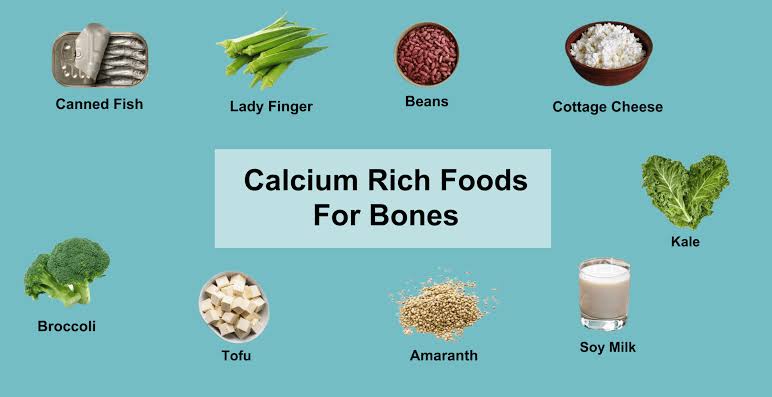
Canned sardines with edible bones are among the best non-dairy calcium sources.
They also provide:
- Vitamin D
- Omega-3 fatty acids
- High-quality protein
These nutrients work together to support healthy bones.
5. Salmon with Bones
Canned salmon that includes soft edible bones is another outstanding calcium source.
It also provides:
- Vitamin D
- Protein
- Healthy fats
This combination supports overall skeletal health.
6. Leafy Green Vegetables
Several vegetables contain significant amounts of calcium.
Examples include:
- Kale
- Bok choy
- Collard greens
- Turnip greens
These vegetables also provide fiber, antioxidants, and vitamins. Although spinach contains calcium, it also contains oxalates that reduce calcium absorption.
7. Fortified Plant-Based Milk
People who avoid dairy can choose calcium-fortified alternatives such as:
- Soy milk
- Almond milk
- Oat milk
Many fortified products provide calcium levels similar to cow’s milk. Always check the nutrition label to compare calcium content.
8. Tofu
Calcium-set tofu is an excellent option for vegetarians and vegans.
It also provides:
- Plant protein
- Iron
- Magnesium
Tofu can easily be added to stir-fries, salads, or soups.
9. Nuts and Seeds
Some nuts and seeds contribute to daily calcium intake.
Good choices include:
- Almonds
- Sesame seeds
- Chia seeds
Although they contain less calcium than dairy products, they are valuable additions to a balanced diet.
10. Fortified Breakfast Cereals
Many breakfast cereals are fortified with calcium and other vitamins. Pairing fortified cereal with milk or fortified plant milk provides an easy calcium-rich breakfast. Choose products that are lower in added sugar whenever possible.
Can You Get Enough Calcium Without Dairy?
Yes.
Adults who avoid dairy can still meet their calcium needs by choosing a variety of calcium-rich foods.
Examples include:
- Calcium-fortified plant milk
- Calcium-set tofu
- Kale
- Bok choy
- Sardines
- Salmon with bones
- Almonds
- Sesame seeds
Careful meal planning is important to ensure adequate calcium intake.
When Should You Consider Calcium Supplements?
While food should be your primary source of calcium, supplements may be beneficial in certain situations.
You may consider supplementation if:
- You consume very little dairy.
- You follow a vegan diet.
- You have lactose intolerance.
- Your healthcare provider recommends it.
- Your dietary calcium intake is consistently below recommended levels.
Supplements should complement a healthy diet—not replace it.
Xem thêm: Signs You May Not Be Getting Enough Calcium: 10 Warning Symptoms You Shouldn’t Ignore
What to Look for in a Calcium Supplement
Not all calcium supplements are the same.
A high-quality supplement should ideally include nutrients that support calcium absorption and bone health, such as:
- Calcium
- Vitamin D3
- Vitamin K2
- Magnesium
- Zinc
These nutrients work together to support healthy bones and efficient calcium utilization.
Tips to Improve Calcium Absorption
Getting enough calcium is important—but absorbing it effectively matters just as much.
Here are a few simple tips:
Get Enough Vitamin D
Vitamin D helps your body absorb calcium efficiently.
Sources include:
- Safe sunlight exposure
- Fatty fish
- Fortified foods
- Supplements when appropriate
Include Vitamin K2
Vitamin K2 helps direct calcium into bones where it is needed.
Spread Calcium Intake Throughout the Day
Your body absorbs moderate amounts of calcium more efficiently than very large doses at once.
Stay Active
Weight-bearing exercises help stimulate bone remodeling and maintain bone density.
Limit Excess Sodium
A diet very high in sodium may increase calcium loss through urine.
Healthy Lifestyle Habits for Strong Bones
Nutrition is only one part of maintaining healthy bones.
Other healthy habits include:
- Regular physical activity
- Resistance training
- Adequate sleep
- Avoiding smoking
- Limiting excessive alcohol intake
- Maintaining a balanced diet rich in fruits and vegetables
Together, these habits support lifelong skeletal health.
The Bottom Line
Calcium is one of the most important nutrients for maintaining strong bones, healthy muscles, and overall wellness.
Fortunately, adults have many excellent sources of calcium to choose from, including dairy products, fish with edible bones, leafy green vegetables, fortified foods, tofu, nuts, and seeds.
When dietary intake is not enough, a well-formulated calcium supplement containing complementary nutrients such as vitamin D3 and vitamin K2 can help support your daily nutritional needs.
By combining a balanced diet with healthy lifestyle habits, you can build a strong foundation for lifelong bone health and maintain an active, healthy life for years to come.
