

 Tiếng Việt
When people talk about growing taller, calcium usually gets most of the attention. However, protein is just as important—if not more important—in supporting healthy growth and development. Protein is a fundamental nutrient that plays a central role in building muscles, tissues, hormones, enzymes, and even bone structure. For children and teenagers in their growth years, getting enough protein is essential for helping the body develop properly.
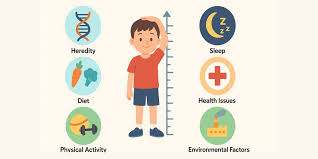
Height growth is influenced by genetics, sleep, physical activity, hormones, and overall nutrition. While no single nutrient can guarantee dramatic increases in height, protein provides some of the most important building blocks the body needs during periods of rapid development. Understanding how protein supports growth can help parents and young individuals make better nutritional choices.
Why Protein Matters for Growth
Protein is made up of amino acids, which are often described as the building blocks of the body. These amino acids are required for creating and repairing tissues, supporting immune function, producing enzymes, and maintaining muscle health.
During childhood and adolescence, the body grows quickly. Bones lengthen, muscles develop, organs mature, and hormonal systems become more active. All of these processes depend on an adequate supply of protein.
Unlike some nutrients that focus on one specific function, protein contributes to multiple growth-related systems at the same time. This makes it one of the most essential nutrients for healthy development.
Without enough protein, the body may struggle to maintain normal growth patterns and overall physical development.
Protein and Bone Growth
Many people think bones are made entirely of minerals such as calcium, but bones also contain significant amounts of protein.
Collagen, a major structural protein, forms the flexible framework of bone tissue. Minerals like calcium and phosphorus strengthen this framework, but protein helps create the structure itself.
During growth, the body continuously forms new bone tissue. This process requires protein as part of normal bone development.
Growth plates—the areas where bones lengthen during childhood and adolescence—also depend on healthy tissue formation. Since protein supports tissue growth, it plays an indirect but important role in height development.
Strong bones require more than minerals alone.

Protein and Growth Hormone Production
Protein also contributes to hormone production, including systems involved in growth.
Growth hormone plays a major role in stimulating bone growth and overall development. The production and effectiveness of many hormones depend on adequate nutrition, including sufficient amino acid intake.
Certain amino acids are involved in biological processes that support hormone regulation and tissue repair.
While protein itself is not the same as growth hormone, it provides important raw materials the body needs to function properly.
Without balanced nutrition, the body’s natural growth mechanisms may not operate at their full potential.
Protein and Muscle Development
Healthy growth is not only about bones becoming longer. The body also needs to develop muscle, connective tissues, and overall strength.
Protein supports muscle repair and development, especially in active children and teenagers who participate in sports or regular exercise.
Muscle health matters because physical activity helps support musculoskeletal development. An active child with balanced nutrition is generally better positioned for healthy physical growth than one with poor diet and sedentary habits.
Protein helps maintain that physical foundation.
What Happens If Protein Intake Is Too Low?
Insufficient protein intake can negatively affect growth and general health.
Children and teenagers who consistently consume too little protein may experience slower physical development, lower energy levels, reduced muscle mass, and weaker immune support.
Because protein contributes to so many essential processes, prolonged deficiency may impact more than just growth.
In severe cases, inadequate protein intake can interfere with normal developmental milestones.
Even mild underconsumption over time may reduce the body’s ability to perform optimally during key growth periods.
Best Protein Sources for Height Support
A balanced diet should include high-quality protein from a variety of sources.
Animal-based proteins are considered complete proteins because they contain all essential amino acids. Good examples include eggs, chicken, turkey, fish, lean beef, dairy products, and yogurt.
Eggs are especially valuable because they provide high-quality protein along with vitamin D and other important nutrients.
Fish offers the added benefit of omega-3 fatty acids and vitamin D, both relevant to bone health.
Dairy products contribute protein as well as calcium and phosphorus.
Plant-based protein sources are also helpful. Beans, lentils, chickpeas, tofu, soy products, nuts, seeds, and whole grains can contribute meaningful protein intake.
Combining multiple plant sources helps create a more balanced amino acid profile.
How Much Protein Is Enough?
Protein needs vary depending on age, activity level, growth stage, and overall health.
Children experiencing rapid growth and teenagers during puberty often have increased nutritional demands.
Highly active individuals may also require additional protein to support muscle recovery and energy needs.
Rather than focusing on extreme protein intake, the goal should be balanced daily consumption from nutritious food sources.
Too little protein can be limiting, but excessive intake without nutritional balance is not necessarily beneficial.
Protein Is Not a Miracle Growth Shortcut
One common misconception is that consuming large amounts of protein will automatically make someone significantly taller.
Protein supports normal growth, but height remains influenced by genetics and multiple environmental factors.
If a person already consumes adequate protein, dramatically increasing intake is unlikely to create unrealistic height changes.
Nutrition works by supporting healthy biological function—not overriding natural growth limits.
Healthy development depends on balance, consistency, and overall lifestyle.
Other Nutrients That Work with Protein
Protein is important, but it works best alongside other essential nutrients.
Calcium supports bone mineralization.
Vitamin D helps calcium absorption.
Vitamin K contributes to bone metabolism.
Magnesium supports structural bone health.
Zinc contributes to growth and cell development.
Vitamin C helps collagen production, which complements protein’s role in connective tissue health.
This interconnected nutrient system is why comprehensive nutrition matters more than focusing on one single nutrient.
Lifestyle Habits That Support Growth
Even the best diet cannot replace healthy habits.
Sleep is critical because growth hormone is primarily released during deep sleep.
Physical activity helps stimulate healthy musculoskeletal development.
Sports, stretching, jumping, swimming, and outdoor play can support overall physical wellness.
Stress management and consistent healthy routines also contribute to normal development.
Protein becomes most effective as part of a complete growth-supportive lifestyle.
Protein Supplements and Growth Products
Some parents and teenagers consider protein supplements as part of growth support.
While supplemental protein may help in certain situations where dietary intake is inadequate, whole food sources are generally preferred because they provide broader nutritional value.
A protein supplement should not replace balanced meals or be viewed as a guaranteed height solution.
Growth-support products that include protein should be evaluated within the context of total nutrition rather than marketing claims alone.
Final Thoughts
Protein is one of the most important nutrients for healthy growth in children and teenagers.
It supports bone structure, muscle development, hormone production, tissue repair, and overall physical development. While protein alone cannot determine final height, inadequate intake may limit the body’s ability to grow normally.
The best approach is a balanced diet rich in quality protein sources, combined with calcium, vitamin D, healthy sleep, regular exercise, and consistent healthy habits.
Supporting growth is about giving the body the tools it needs to reach its natural potential—and protein is one of the most important tools of all.
