

 Tiếng Việt
When discussing height growth and bone development, calcium often receives most of the attention. However, calcium alone is not enough to support healthy skeletal development. Two nutrients that are increasingly recognized for their importance in growth are vitamin D3 and vitamin K2. These nutrients work together to help the body absorb, transport, and properly use calcium—making them highly relevant in conversations about height development.
For children, teenagers, and parents interested in supporting healthy growth, understanding the role of vitamin D3 and K2 can help create a more complete nutrition strategy. While no nutrient can guarantee dramatic increases in height, providing the body with the right nutritional support may help optimize natural growth potential during important developmental years.
Understanding Height Growth and Bone Development
Height increases primarily through the growth of long bones in the arms and legs. This process takes place at the growth plates, which are areas of cartilage located near the ends of bones. During childhood and adolescence, these growth plates remain active, allowing bones to lengthen over time.
Healthy growth depends on several biological processes working together. The body needs sufficient nutrients to build bone tissue, support cartilage development, maintain hormone balance, and regulate mineral metabolism.
If one part of this system is missing or functioning inefficiently, the overall growth process may be affected. This is where vitamin D3 and vitamin K2 become especially important.
Vitamin D3: The Calcium Absorption Nutrient
Vitamin D3 is one of the most important nutrients for bone health because it helps the body absorb calcium from food.
Even if a person consumes calcium-rich foods daily, poor vitamin D levels may reduce how much calcium is actually absorbed and used. Without sufficient vitamin D3, much of the calcium intake may not effectively contribute to bone development.
Vitamin D3 also helps regulate phosphorus levels, another mineral important for bone structure.
Beyond bone health, vitamin D plays roles in muscle function, immune regulation, and general metabolic health.
Because of its impact on calcium absorption, vitamin D3 is often considered foundational in growth-supportive nutrition.

Where Vitamin D3 Comes From
One of the most unique aspects of vitamin D3 is that the body can produce it naturally through sunlight exposure.
When skin is exposed to sunlight, the body begins synthesizing vitamin D. However, modern lifestyles often involve more indoor time, sunscreen use, and reduced direct sunlight exposure, which may limit natural production.
Dietary sources of vitamin D3 include fatty fish such as salmon, mackerel, and tuna, as well as egg yolks and fortified dairy products.
Despite these sources, some individuals may still struggle to maintain adequate levels through diet alone.
This is one reason vitamin D receives significant attention in growth-related discussions.
Vitamin K2: The Nutrient That Directs Calcium
If vitamin D3 helps the body absorb calcium, vitamin K2 helps determine where that calcium goes.
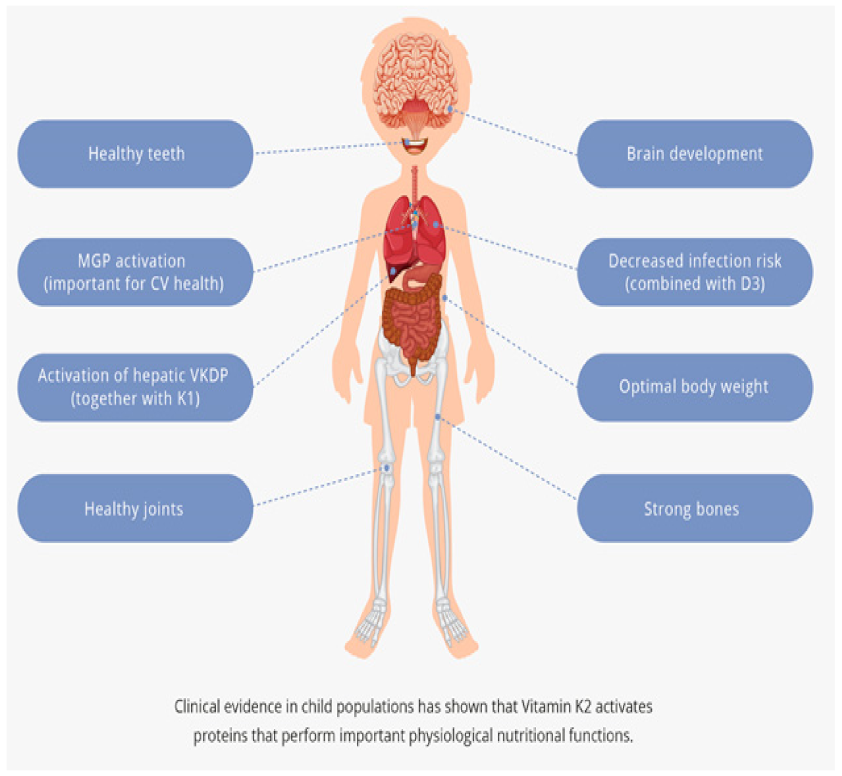
Vitamin K2 activates proteins involved in calcium transport and bone mineralization. These proteins help guide calcium toward bones and teeth, where it contributes to structural strength.
Without proper nutrient balance, calcium metabolism may become less efficient.
This is why vitamin K2 is often described as a nutrient that helps “direct” calcium to the right places.
Although vitamin K2 is discussed less frequently than calcium or vitamin D, its role in bone metabolism has gained increasing attention.
Food Sources of Vitamin K2
Vitamin K2 is found in smaller amounts compared to many common nutrients, and dietary intake varies depending on eating habits.
Some natural sources include fermented foods, aged cheeses, egg yolks, certain meats, and organ meats.
One commonly discussed source is natto, a fermented soybean product particularly rich in vitamin K2.
Because vitamin K2 intake may be inconsistent in some diets, it is often considered as part of broader bone-support nutrition planning.
Why D3 and K2 Work Better Together
Vitamin D3 and K2 are often mentioned together because their functions complement each other.
Vitamin D3 improves calcium absorption from the digestive tract. Vitamin K2 supports calcium utilization by helping integrate it into bone tissue.
This combination creates a more complete approach to bone health than focusing on calcium alone.
Imagine calcium as building material, vitamin D3 as the delivery system that gets materials into circulation, and vitamin K2 as the coordinator that helps place those materials where they are needed.
This simplified comparison helps explain why balanced nutrient strategies are often emphasized in growth-support conversations.
Can Vitamin D3 and K2 Help Increase Height?
Vitamin D3 and K2 support the biological processes involved in bone development, but they do not directly force the body to grow taller beyond its genetic potential.
Their primary role is to help maintain conditions that support healthy skeletal growth.
For children and adolescents in active growth phases, sufficient nutrient intake may help ensure the body has the resources needed for normal development.
If deficiencies exist, correcting nutritional gaps may support better overall bone health.
However, height outcomes still depend on multiple factors including genetics, protein intake, sleep, hormones, exercise, and overall health.
No nutrient should be viewed as a guaranteed shortcut to greater height.
Deficiency Concerns During Growth Years
Low vitamin D levels are relatively common in some populations, especially among individuals with limited sunlight exposure.
Potential concerns associated with inadequate vitamin D may include weaker bones, slower mineralization, or reduced bone strength.
Because vitamin K2 is less commonly measured, awareness of intake tends to be lower.
Rather than focusing only on one nutrient, a balanced dietary approach remains the most practical strategy.
Other Nutrients That Matter Too
Although vitamin D3 and K2 are important, they work within a much larger nutritional framework.
Calcium remains essential because it provides the mineral foundation for bones.
Protein supports tissue development, hormone production, and collagen formation.
Magnesium contributes to bone structure and vitamin D metabolism.
Phosphorus helps strengthen skeletal tissue.
Vitamin C supports collagen production, which is important for connective tissues and cartilage.
Healthy growth depends on the combined effect of these nutrients rather than isolated supplementation.
Lifestyle Factors That Support Height Development
Nutrition is only one part of the equation.
Sleep is especially important because growth hormone is released primarily during deep sleep.
Physical activity helps stimulate musculoskeletal development and supports overall health.
Activities such as swimming, jumping, stretching, and sports may complement healthy nutrition.
Hydration, stress management, and consistent healthy routines also contribute to general development.
Final Thoughts
Vitamin D3 and vitamin K2 play valuable roles in supporting healthy bone development by helping the body absorb and utilize calcium more effectively.
Vitamin D3 helps improve calcium absorption, while vitamin K2 supports calcium transport into bones. Together, they form an important partnership in bone health nutrition.
For children and teenagers during active growth years, maintaining adequate nutrition—including vitamin D3, K2, calcium, protein, and other essential nutrients—may help support natural growth potential.
Rather than relying on a single “height nutrient,” the most effective approach is a balanced combination of nutrition, exercise, sleep, and healthy daily habits.
